

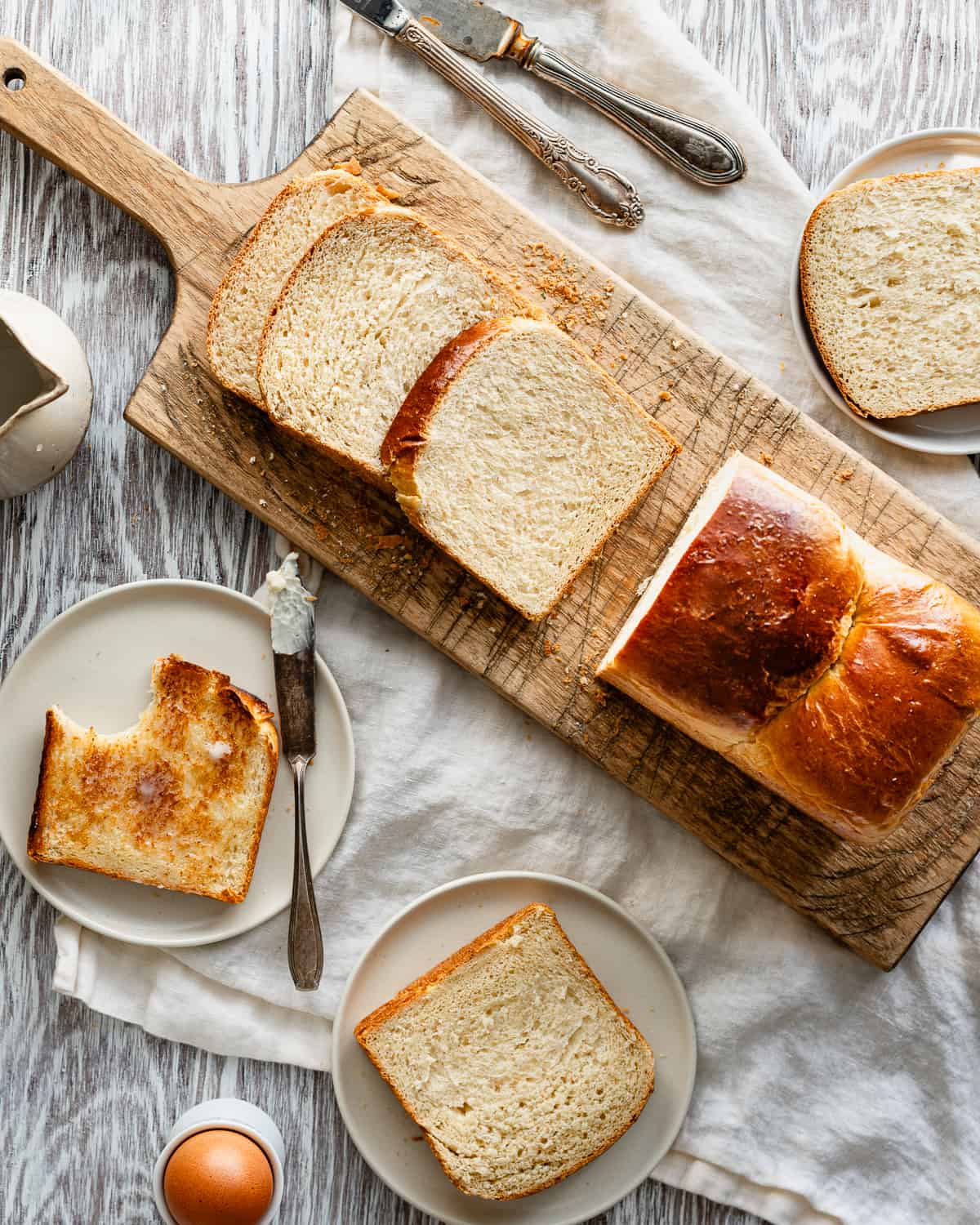
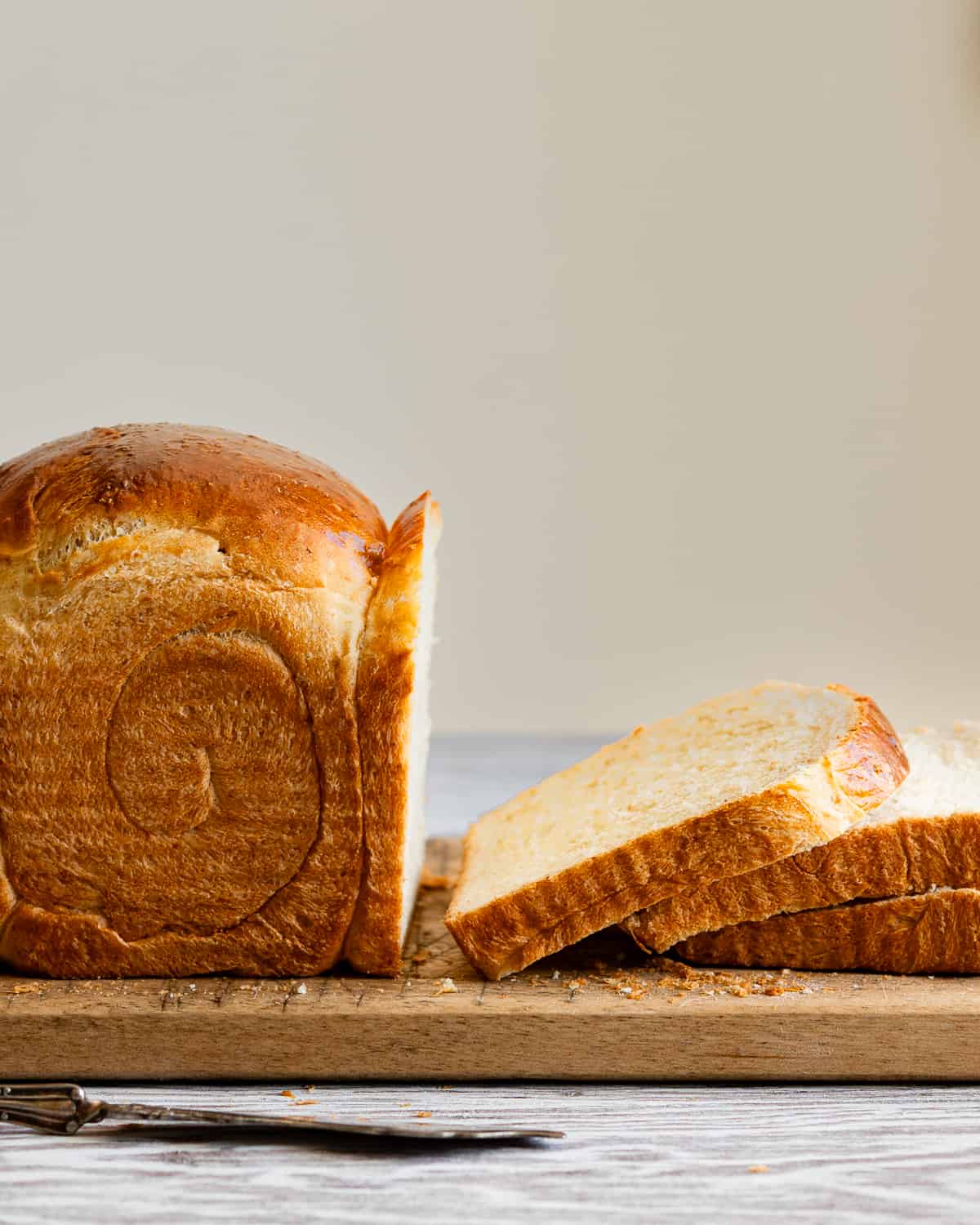
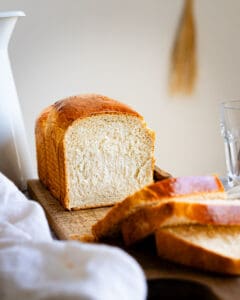
This Sourdough Discard Sandwich Bread is a soft and fluffy loaf that's perfect for sandwiches and toast. Made with sourdough discard and commercial yeast, the dough can be mixed completely by hand and rises quickly, so you can have fresh homemade bread on the table in just a few hours.
Jump to:
This recipe was originally published in July 2022. I have since updated it with more information, new photos and additional tips for success.
5-Star Review ★
Easy peasy recipe, very fluffy and delicious. Made it already more than 5 times…sooo good! Thank you.
Nadine
Why I love making sourdough discard bread
This sourdough discard sandwich loaf sparked my love for sourdough discard bread recipes. Just because there's no time to babysit a naturally leavened sourdough loaf doesn't mean we should go without fresh, homemade bread.
While sourdough starter makes incredible bread, commercial yeast has its place, especially in enriched doughs with butter, milk, and eggs, which can further slow fermentation. It's also useful for breads where a strong tangy flavor isn't the goal. Even though the starter isn't the main leavener here, it still adds depth of flavor. Plus it's a great way to use up starter that would otherwise go to waste.
Want more ideas for using your sourdough discard in bread recipes? Try my Sourdough Discard Focaccia Bread, Sourdough Discard Hot Dog Buns and Sourdough Discard Dinner Rolls.
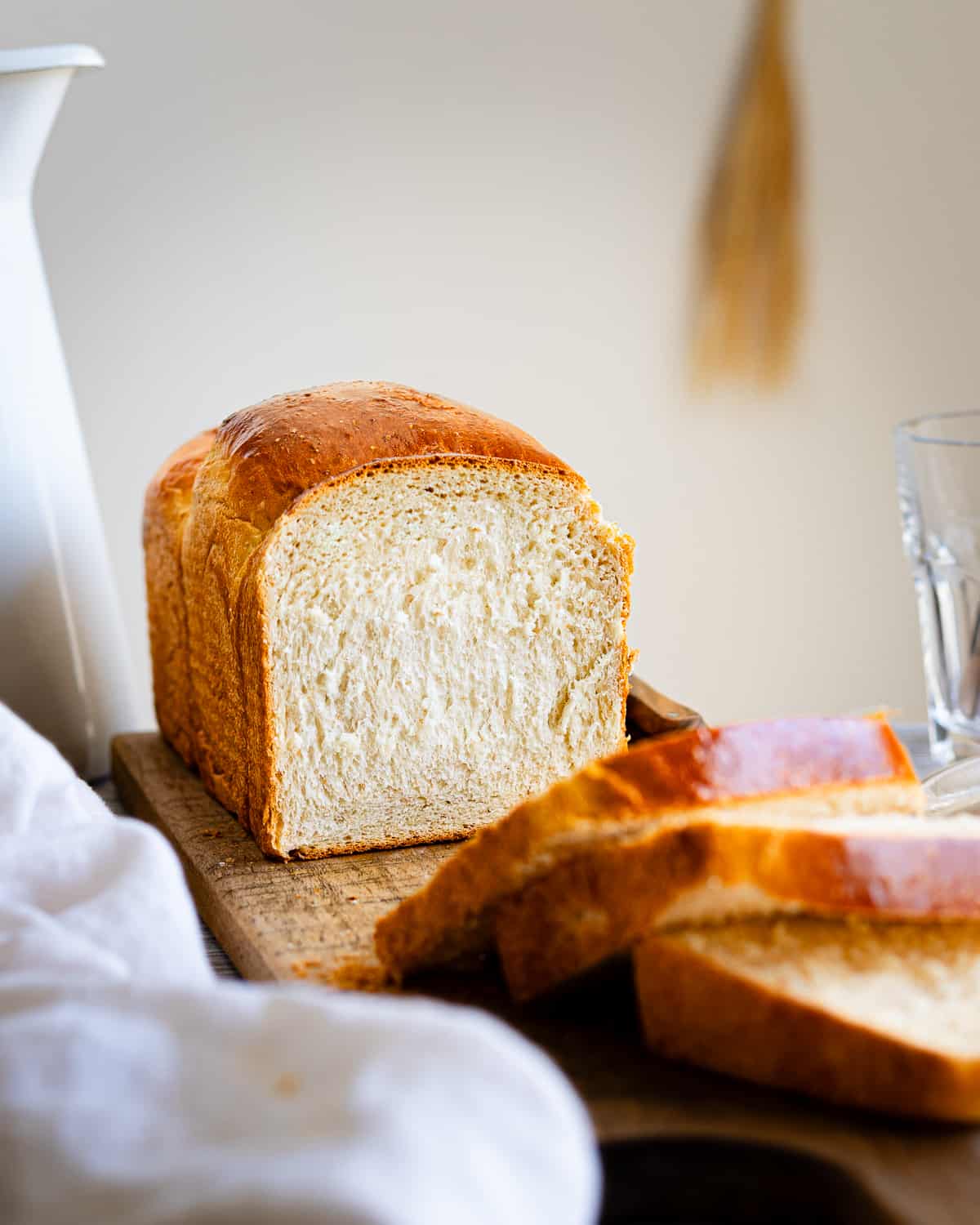
Day-old slices of this sourdough discard sandwich bread are perfect for making French toast, bread pudding, or Bostock pastry. The soft crumb soaks up custards and syrups beautifully, making these recipes a delicious way to give leftover bread a second life.
Ingredients and Substitutions
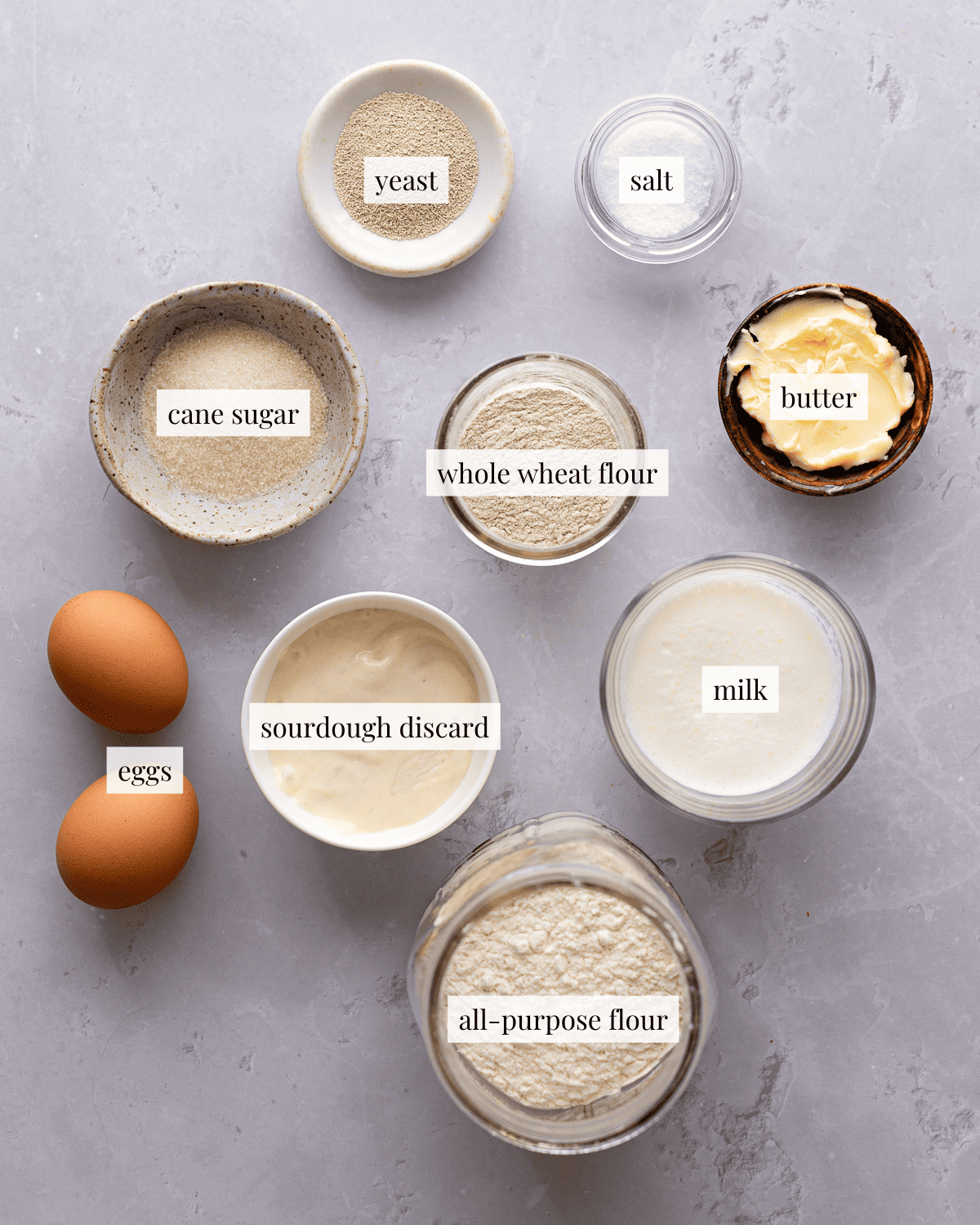
All-purpose: The low protein content of this flour makes this bread light and fluffy. You can substitute bread flour but do not use a flour like whole wheat or rye in place of the all-purpose in this recipe.
Whole wheat flour: Adds a little bit of nuttiness to this recipe without making the loaf too dense or heavy. If you're looking for whole wheat recipes, try my Whole Wheat Sourdough Discard Bread and Sourdough Discard Marble Rye Bread recipe.
Sourdough discard: Both active starter and sourdough discard will work for this recipe. If you don't have a starter, simply add 37 grams of all-purpose flour and 37 grams of water to the dough.
Milk, sugar, eggs and butter: These classic enrichments add richness and tenderness to bread. Looking for a plant-based alternative? Try my recipe for Vegan Sourdough Discard Sandwich Bread.
See the recipe card for detailed ingredient information.
Step-by-step instructions (with photos)
Make the dough
Bloom the yeast. Fold the ingredients in until a cohesive dough forms. Knead the butter into the dough. Turn the dough out on a clean surface and knead until smooth.
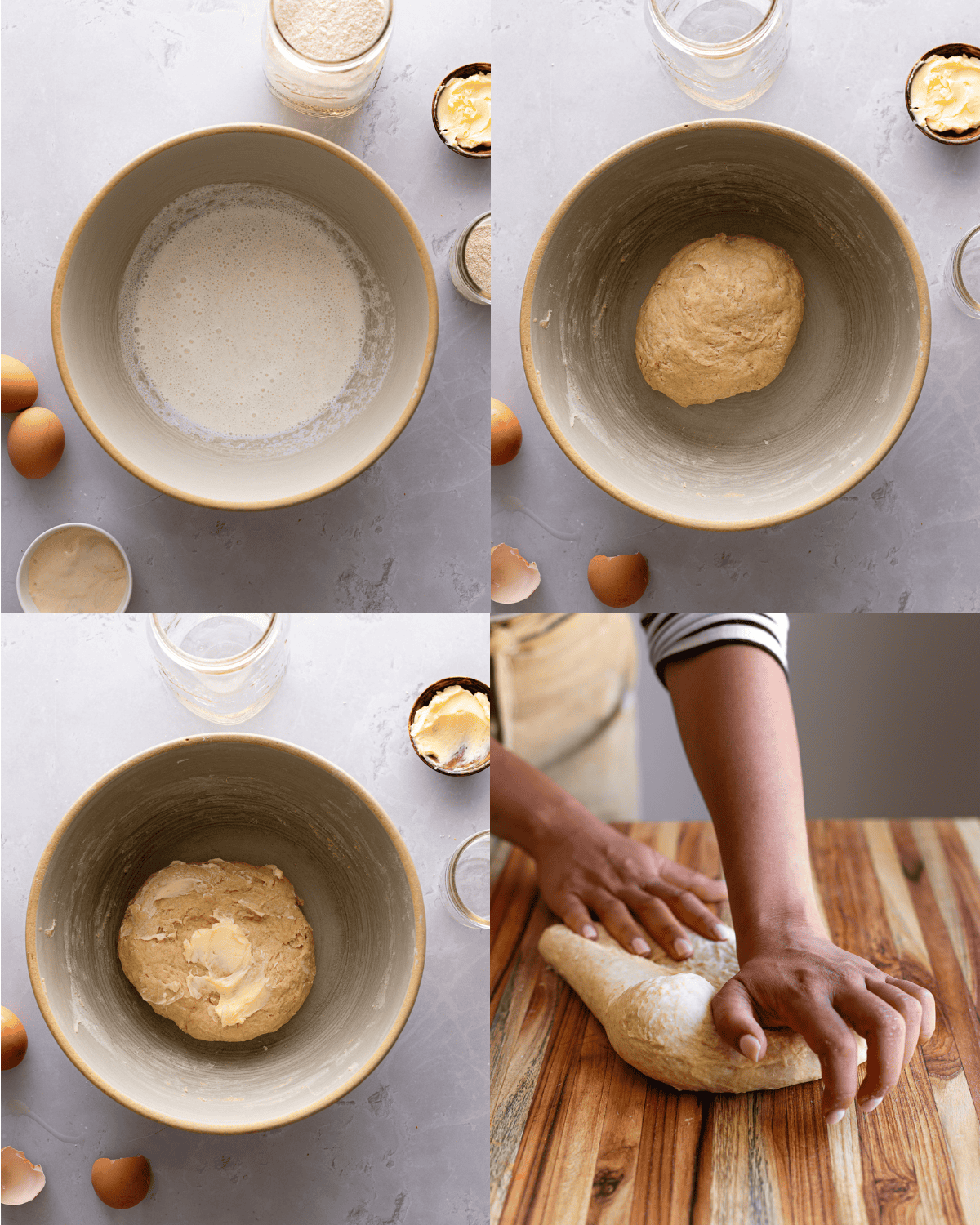
What to do if your dough feels too sticky
Allow the dough to rest for 15 minutes before kneading. This will give the gluten development a head start, making it less sticky and much easier to handle.
Proof the dough
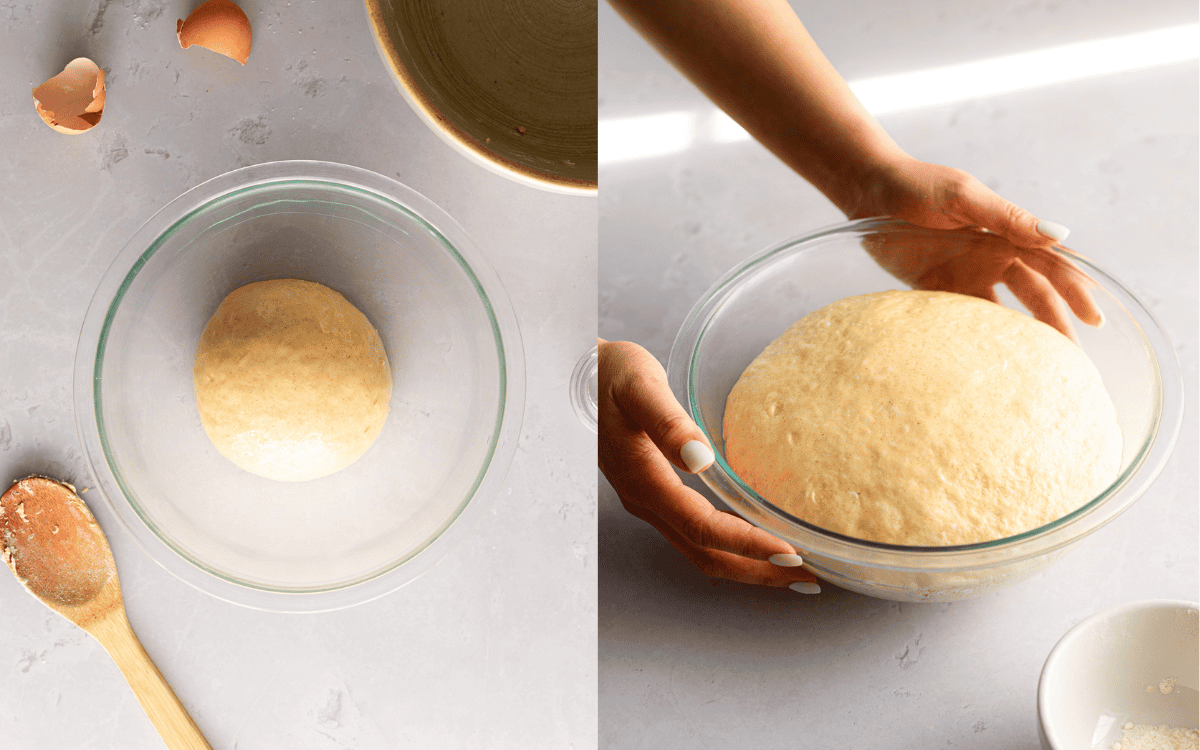
Transfer the dough into a clean, lightly-oiled bowl and cover with plastic wrap. Let the dough rise in a warm spot until doubled in volume.
Shape the dough
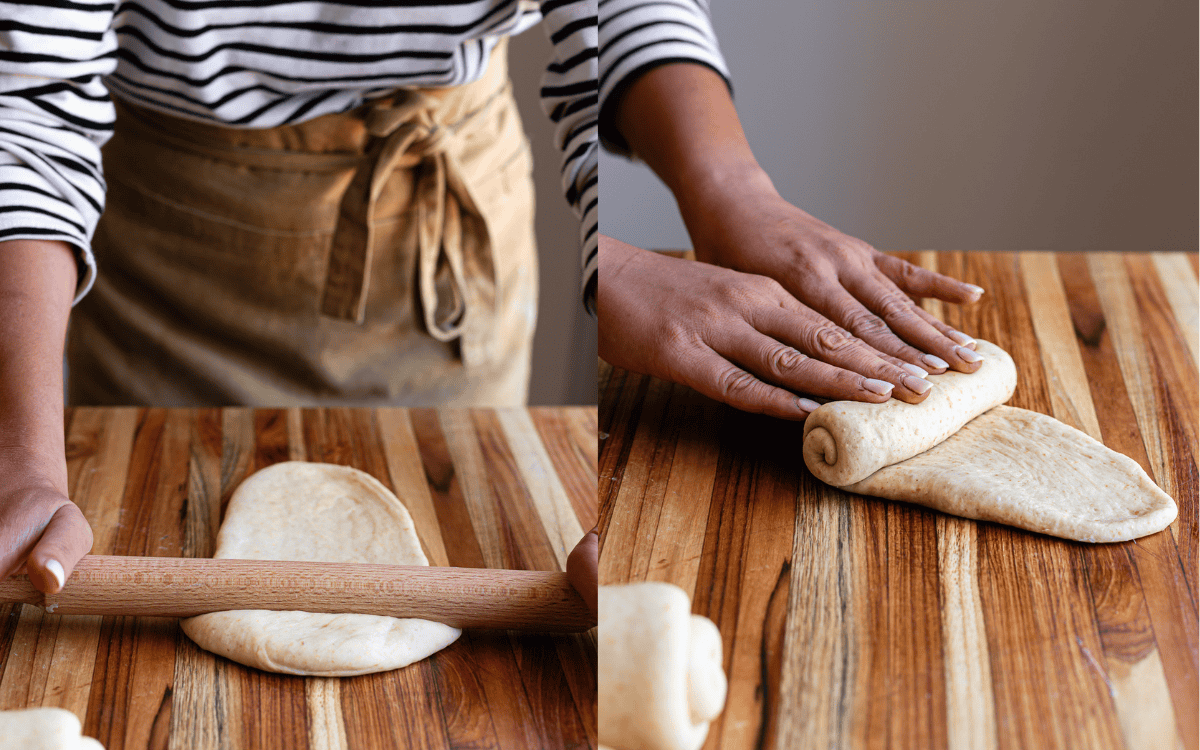
Divide the dough in 3 portions. Flatten one portion into a 9 by 4 inch oval. Starting from one of the shorter sides, roll the dough into a tight cylinder.
Can I shape this dough like a regular sandwich loaf?
You can shape this bread anyway you want! I prefer shaping my dough in this way because it helps it rise evenly in the oven and prevents it from bursting in unwanted spots as it bakes.
Check out my post Sourdough Oatmeal Sandwich Loaf to see my sandwich loaf shaping method.
Final proof and bake
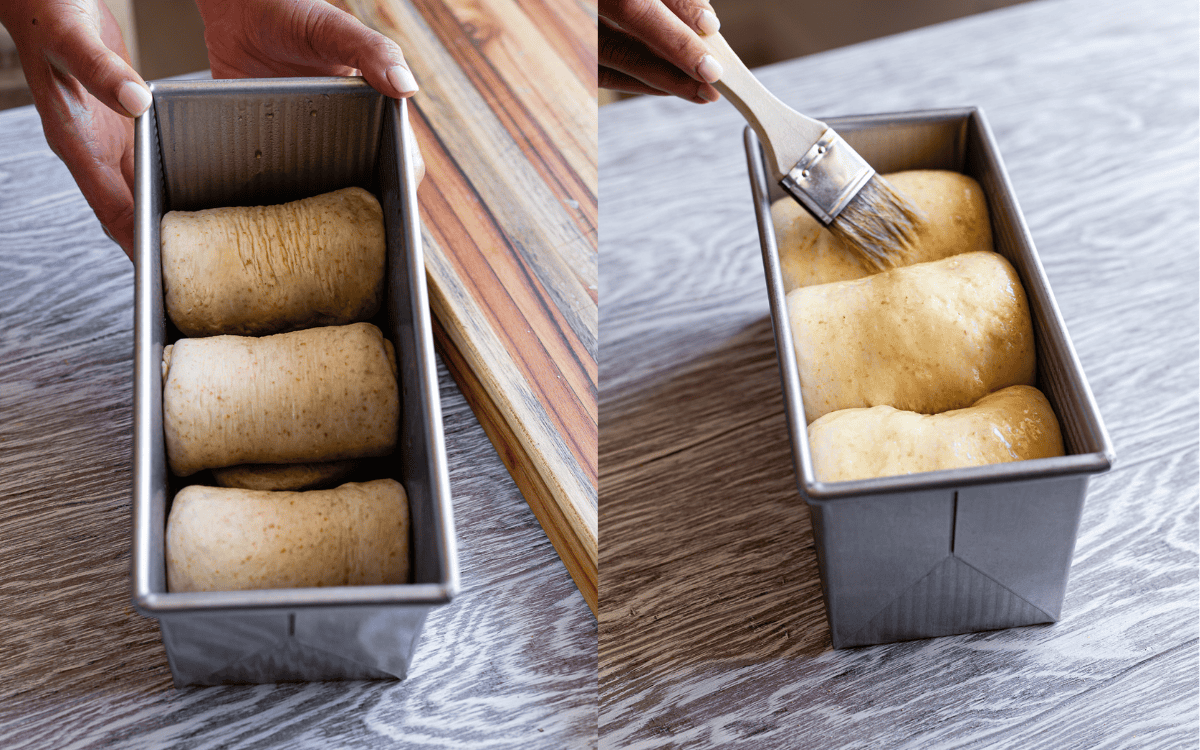
Arrange the dough in a greased 9 by 4-inch Pullman pan or 8 by 5-inch loaf pan. Cover with plastic wrap and let the dough rise untouched until the dough almost reaches the top of the pan. Brush with egg wash. Bake at 375 F for 30 to 35 minutes.
Baker's Tips
- Weigh your ingredients. Measuring with a scale is more accurate than using cups and tablespoons and will help guarantee your chances of success.
- Both active dry yeast and instant yeast work for this recipe. Blooming is unnecessary if you opt for instant yeast.
- You can use active sourdough starter or discard for this recipe. No sourdough starter? Just add 38 grams all-purpose flour and 38 grams of water to your dough.
- Watch the dough not the clock. I'll provide time cues throughout this recipe. However, since fermentation depends on temperature and your specific environment, rise times may vary.
- Measure temperature for doneness. Time is a great guide for baking, but measuring temperature using an instant-read thermometer is the only way to know your bread is thoroughly baked. Make sure your bread registers at 200 F when probed before pulling it out of the oven.
Did this recipe rise to the occasion?
★★★★★
Leave a star rating and a comment. Your feedback inspires future recipes and helps others feel confident choosing what to bake next. I read and respond to every message.
If you're looking for additional ways to support my work, share this recipe or buy me a Ko-fi. Every little bit helps me keep creating the recipes and guides you enjoy.
Thank you for your support!
Sourdough Discard Sandwich Bread Recipe
Equipment
- Cooling rack
This section may contain affiliate links
Ingredients
Dough
- 7 g Instant Yeast
- 150 g milk
- 25 g granulated sugar
- 300 g all-purpose flour
- 30 g whole wheat flour
- 6 g salt
- 75 g sourdough discard
- 1 egg large
- 28 g unsalted butter softened
Egg Wash
- 1 egg large
- Pinch of salt
Click US Customary to view volume measurements
Instructions
- Make the dough: Whisk the yeast in with the milk and sugar.7 g Instant Yeast, 150 g milk, 25 g granulated sugar
- Stir in the remaining ingredients except for the butter with a spatula or wooden spoon until the mixture forms a shaggy dough and no traces of dry flour remain.300 g all-purpose flour, 30 g whole wheat flour, 6 g salt, 75 g sourdough discard, 1 egg
- Knead the butter into the dough.28 g unsalted butter
- Cover the bowl with plastic wrap and let the dough rest for 15 minutes, this rest period will make the dough much easier to work with.
- Knead the dough: Turn the dough out on a clean work surface (you shouldn't need to flour your surface, but if your dough feels too sticky feel free to use a little bit of bench flour). To knead the dough, hold the bottom of the dough with your fingertips, fold the dough over itself, then push it out using the heel of the palm of your hand. Repeat until the dough looks cohesive and smooth.
- Let the dough rise: Round the dough into a tight ball and place it in a clean, lightly-oiled bowl. Cover with plastic wrap and let the dough rise until doubled in volume, about 1 to 2 hours.
- Shape the dough: Punch the dough down to release the air. Divide the dough into 3 equal portions. Round each portion into a tight ball, cover the dough with plastic wrap. Let the dough relax for 15 minutes.
- Using a rolling pin, flatten the dough out into a 9 by 4 inch oval. Starting from one of the shorter sides, roll the dough into a tight cylinder. Repeat with the remaining dough portions.
- Lightly grease your loaf pan. Place each cylinder of dough into the loaf pan.
- Let the dough proof for the second time: Cover the pan with plastic wrap and let the dough rise until the dough looks puffy and has filled up to at least ½-inch to the top of the pan, about 45 minutes to 1 hour.
- Preheat the oven: When the dough is close to being ready, preheat the oven to 375 F.
- Brush the dough with an egg wash: Whisk together an egg and a pinch of salt. Using a pastry brush, coat the top of the dough with an even layer of egg wash.1 egg, Pinch of salt
- Bake the loaf: Bake the dough for 30 to 35 minutes or until the loaf is golden brown and the bread registers at 190 F when probed with an instant read thermometer.
- Enjoy and store: Transfer the loaf to a wire rack to cool for at least 20 minutes before slicing. Store slices in a ziplock bag for up to 5 days at room temperature.
Tips
These recipes were developed and tested using grams for precise measurements. To increase your chances of success, I recommend investing in a kitchen scale. I've included rough volume estimates (in tablespoons and cups), but they might not be totally accurate.
Remember all ovens are unique, these recipes were tested in my oven which runs cooler than others. You might need to lower the temperature if your bake appears to be browning too quickly. Monitor your bake closely and make adjustments if needed.
Notes
Recipe Video
Nutrition
I am not a nutritionist or dietitian, any nutrition information provided is an estimate.




Kris says
Bread is delicious! The recipe is easy and turned out great. Will definitely be making a lot!
(One note: The Total Time and Rise Time for making the bread is not correct. You will not have bread in 2 hours. The first proof is 1 to 2 hours and there is a second proof of 45min. to 1 hour. Plus a two 15 minute rest periods, 30 minutes of cooking, 20 minutes of cooling, as well as making and kneading the bread. Still quick and easy, just not that quick!)
Hannah Dela Cruz says
Hi Kris! So happy you loved the recipe. It’s one of my favorites! Thanks for sharing your notes. As you know, your environment will affect proofing times, so this is a good reminder for other bakers to pay attention to their dough rather than relying solely on the timing in the recipe.
Daisy Bessa says
Hi, does this make 3 loafs of bread? I got overzealous and doubled the recipe and then when I read on it looks like you divide it in 3 so thinking I may end up with 6 loafs…
Hannah Dela Cruz says
Hi Daisy! No this recipe is for 1 loaf. This is just how I chose to shape my loaf. You can shape yours however you would like.