

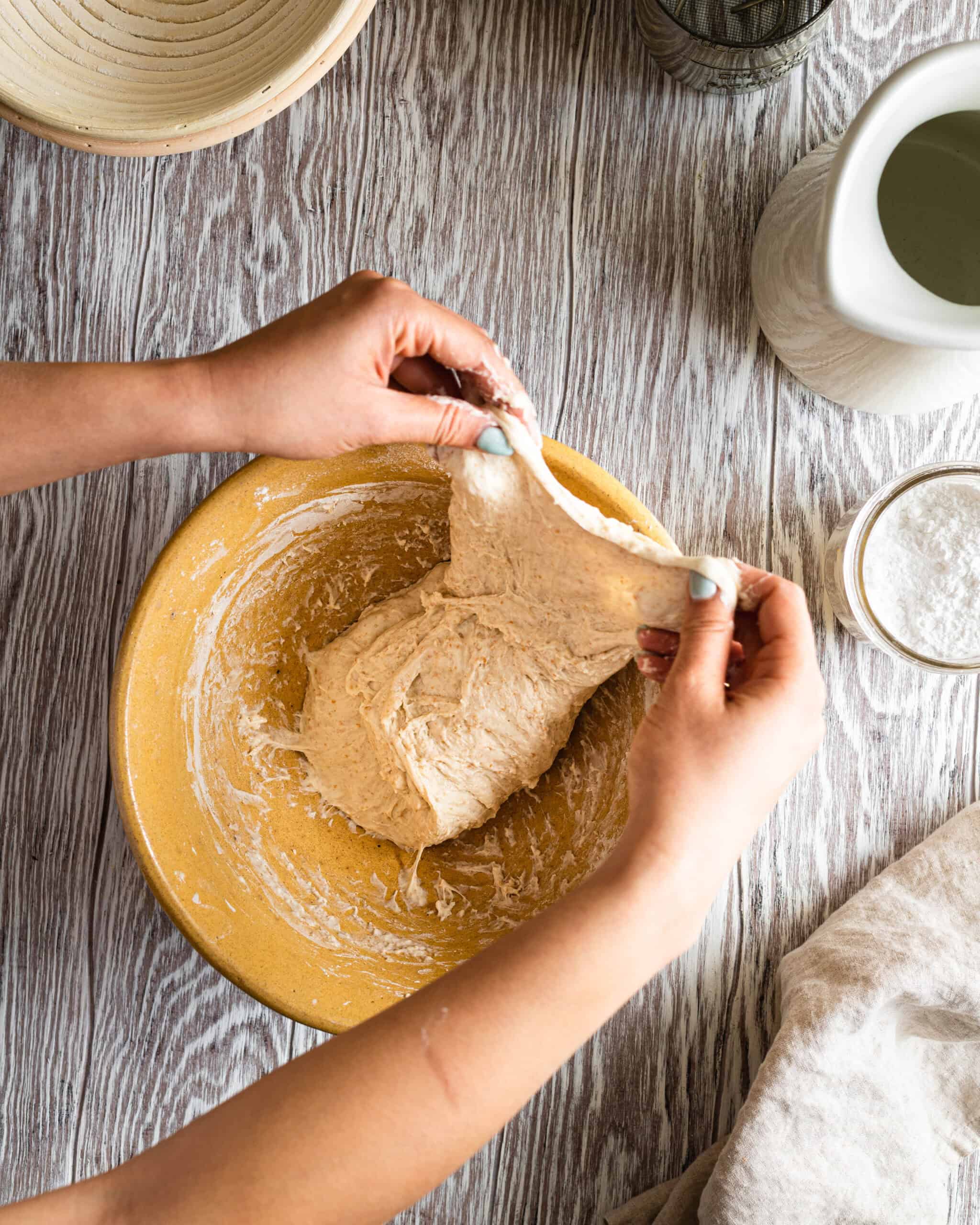
Have you ever mixed a batch of dough, measured everything carefully, and still ended up with something that feels impossibly wet and sticky?
If this sounds familiar, you're in the right place. First, don't panic and most importantly, put the flour down! In this post, I'll explain why dough becomes sticky and what to do about it.
Jump to:
Here's what I often see from readers:
I am new to baking and have tried a few bread recipes. I follow them carefully and even use a scale, but when I mix everything together, the dough is so sticky it clings to my hands. If I use my other hand to pull it off, it just sticks there too. It feels impossible to knead. (source: Reddit)
The Problem Isn't Always the Recipe
When bakers end up with a sticky dough, it's easy to assume the recipe contains too much water.
In reality, hydration is rarely the problem. I know this because experienced bakers routinely work with dough at 90% hydration and produce beautiful loaves of sourdough. The issue isn't the amount of water in the dough. It's understanding dough development and how to handle wet dough throughout the process.
How Dough Develops
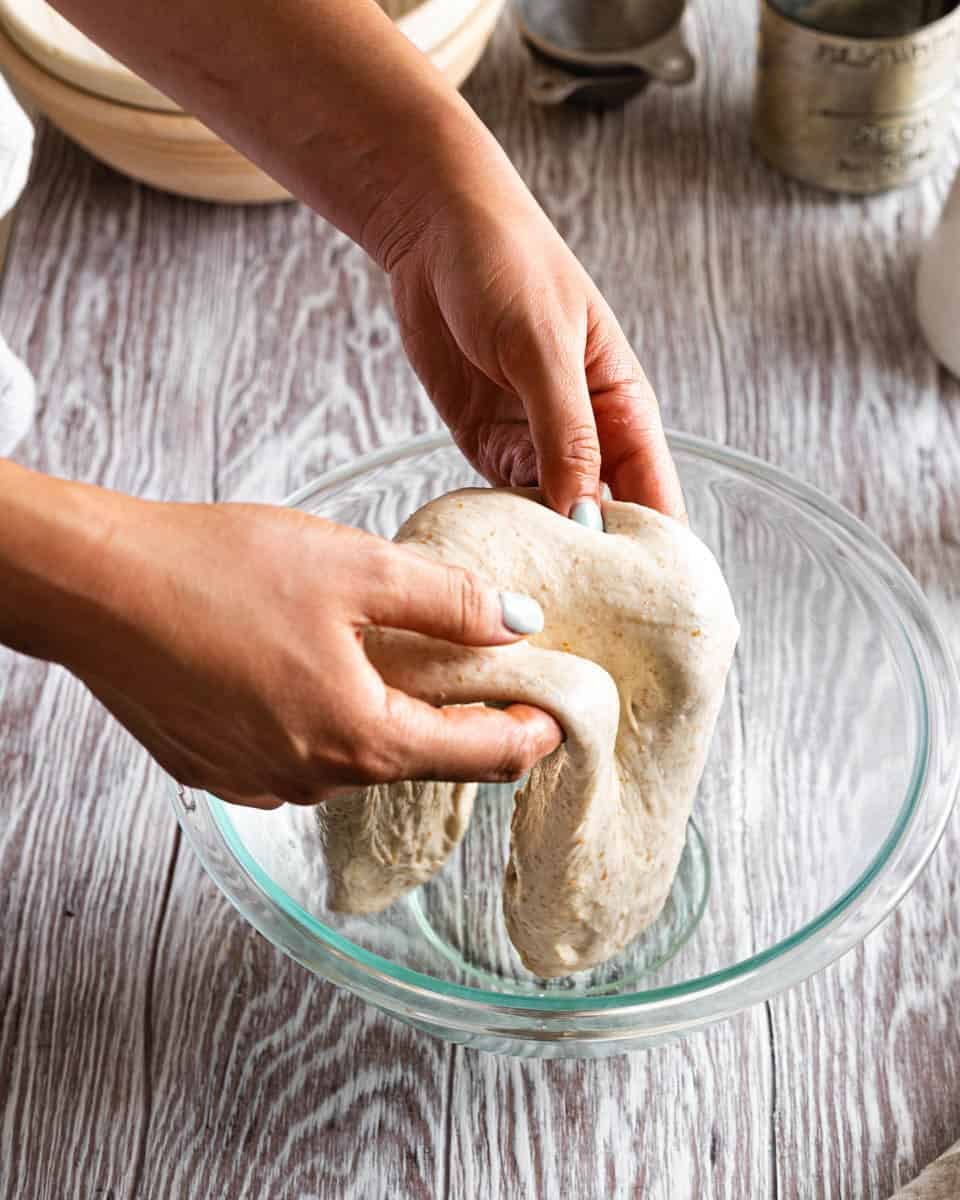
When flour and water are first mixed together, they form a paste. So don't be surprised if your dough feels wet and difficult to handle at this stage.
As soon as the flour absorbs water, the gluten-forming proteins begin linking together to create a network. You're probably aware that this structural network allows the dough to trap the gases produced during fermentation so your loaf can rise and hold its shape. Importantly, it also keeps the outer layer of the dough smooth and less sticky.
The gluten network develops naturally with time. Manipulation, such as mixing, kneading, or stretch and folds, helps organize and strengthen that network, allowing the dough to become smoother, stronger, and easier to handle.
If you want a deeper dive into the science of gluten development check out my post about how to stretch and fold sourdough bread.
Tips for Handling Sticky Dough
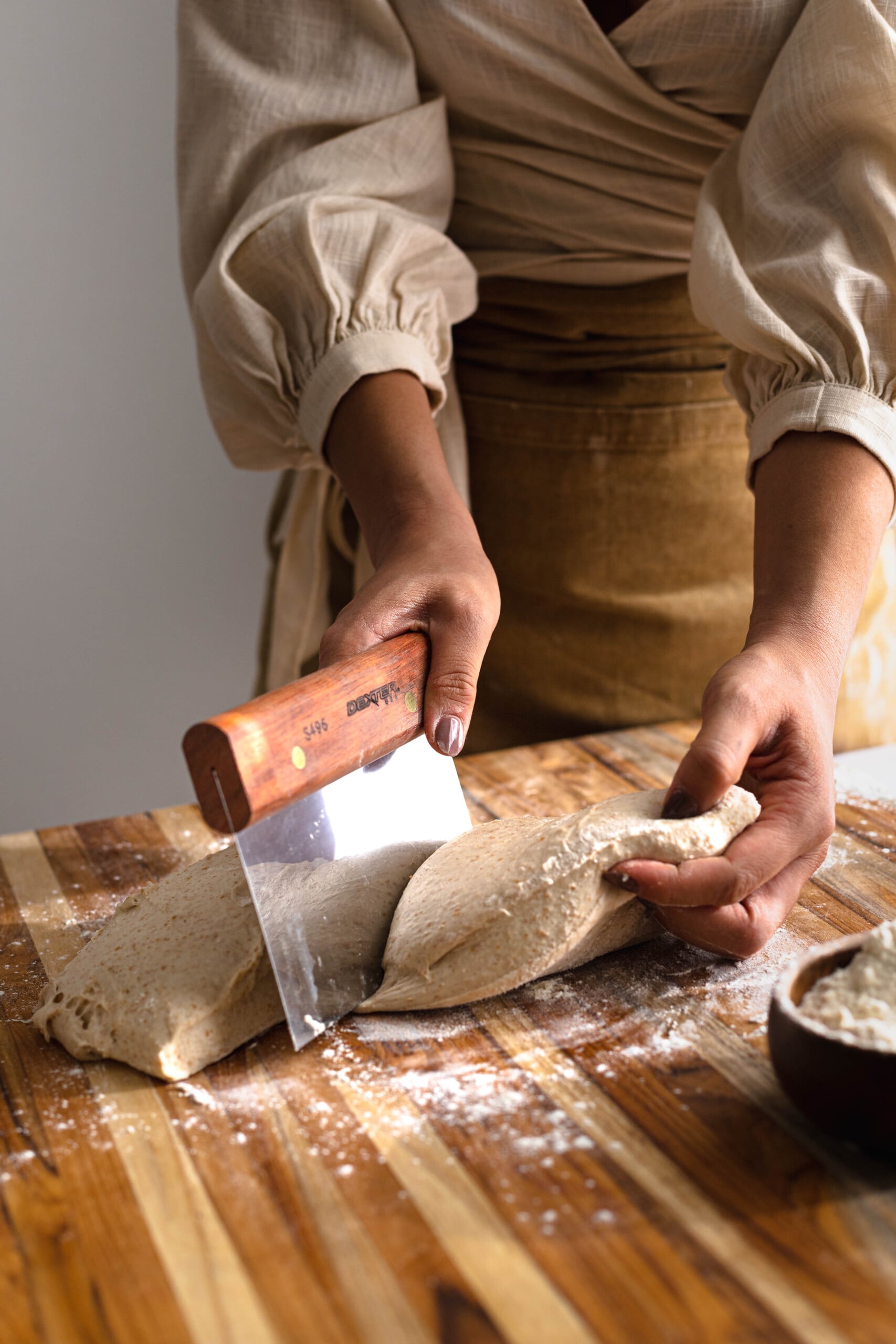
Now that you understand how dough develops, let's put that knowledge into practice.
Avoid adding more flour
This is the first thing many bakers do when their dough feels too sticky, but it often makes the problem worse. Every time you add more flour, you're slowing down dough development by introducing more flour that still needs to absorb water and develop gluten, essentially resetting the cycle and making the dough sticky all over again.
By the time the dough feels easier to handle, you've changed the hydration of the recipe, which can leave you with bread that's dense, dry and tough.
Let the dough rest
In most of my bread recipes, I instruct bakers to let the dough rest immediately after mixing. This gives the flour time to fully hydrate and allows the gluten network to continue developing. You'll find that even a short rest can make the dough noticeably smoother, less sticky, and much easier to work with.
Since gluten develops naturally over time, resting the dough does much of the work for you, reducing the amount of mixing or kneading needed to build strength.
Don't overwork your dough
Another temptation, usually born out of frustration, is to handle the dough too roughly. Aggressive kneading or repeated slap-and-folds can actually tear and destroy the developing gluten strands. This snaps the protein network we're working hard to develop and forces it to release trapped water, causing the dough to feel even stickier. Instead of building a strong, airy structure, you are left with a sticky mass that bakes into a dense, gummy loaf.
Be gentle
Swap traditional kneading for stretch and folds or coil folds, and handle the dough gently by using your fingertips instead of your whole hand. This minimizes sticking and reduces the chance of tearing the gluten network. Let the dough rest between each set of folds, giving the gluten strands time to realign, form new bonds, and stretch without tearing.
Use damp hands
Keep a small bowl of water next to your workstation. Right before you handle the dough, dip your fingers so they are lightly damp, not dripping wet. The moisture creates a temporary slip that stops the dough from getting stuck to your skin.
Let your dough ferment
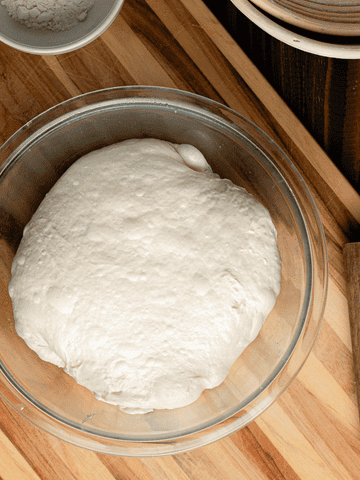
Finally, if you get to shaping and your dough still feels too lax and sticky, it probably hasn't fermented long enough. Properly bulk-fermented dough should feel lighter, smoother, and stronger. It will hold its shape more easily, making preshaping and shaping much easier. If the dough still spreads excessively or feels too sticky, return it to the bowl and let it continue bulk fermenting undisturbed. Giving it more time allows the dough to build strength, making it much easier to handle and shape.
Get Your Reps In
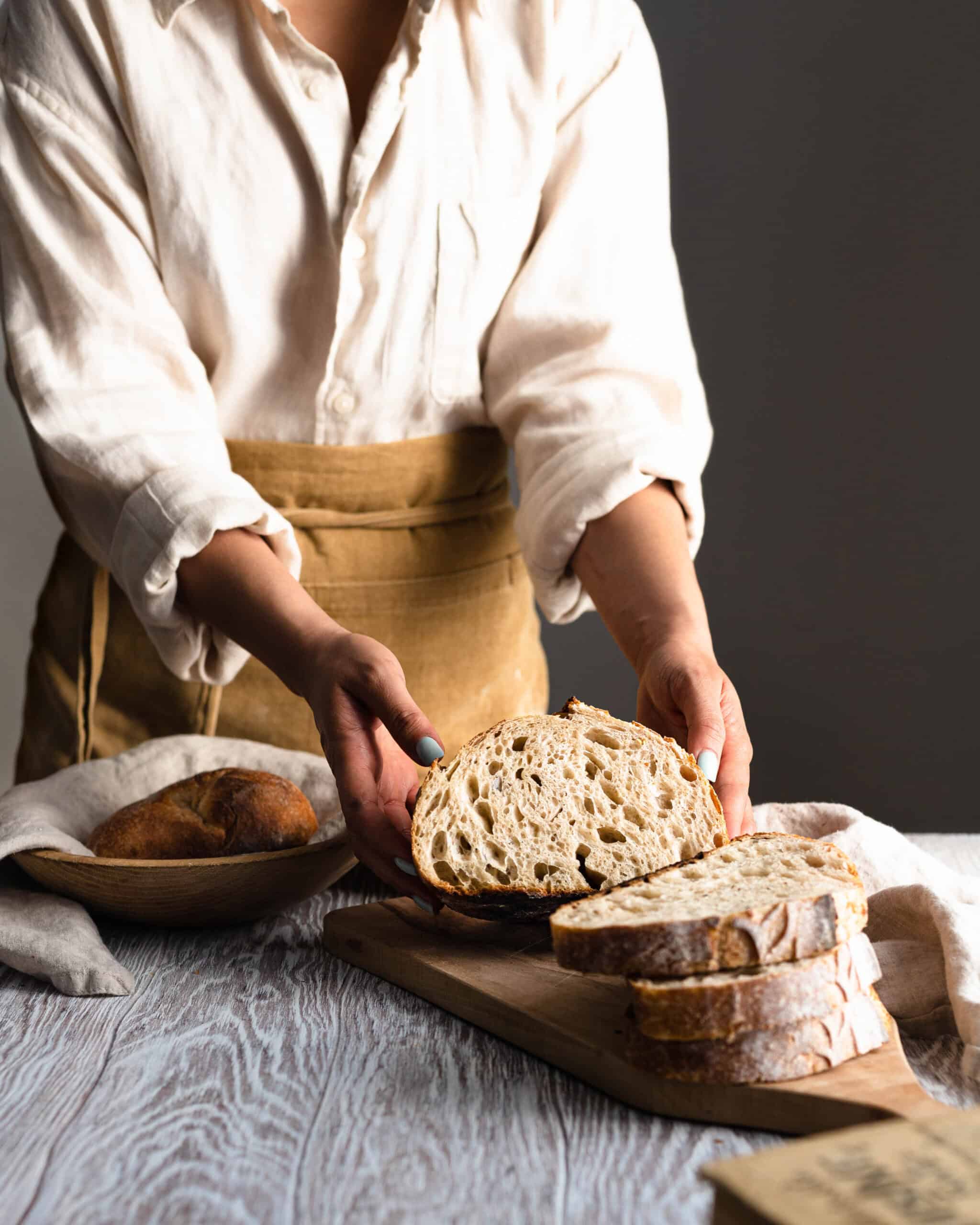
No one is born knowing how to make bread, and just like any skill, bread baking takes practice. Developing dough feel comes through repetition. Pick one recipe, like my sourdough bread recipe, and bake it again and again. Each loaf will teach you something new, and before long you'll recognize exactly how well-developed dough should look and feel. Don't let frustration stop you. Keep practicing these techniques because homemade bread is worth the effort.
Knead More Help?
Have more questions about this topic? Let me know in the comments!
Pin this post on Pinterest for easy access anytime!
Share your baking triumphs on Instagram - don't forget to tag @makeitdough, I love showcasing your bakes in my stories!
⭐ THANK YOU ⭐

Terri says
Thanks for the tips! Sometimes I can’t shape dough at all, it just puddles on the counter. Will these techniques help with that problem? Love your cookbook!
Hannah Dela Cruz says
Thank you so much! Yes, if your dough is puddling on the counter, these techniques can definitely help. It often means the dough needs more time to ferment and develop strength before it's ready to shape. Try following the tips in the post while you're making your dough, then after your last fold, let the dough continue to rise for another hour or two if needed. The times listed in a recipe are just a guide since every kitchen and sourdough starter is different. Before shaping, you should see a noticeable increase in volume, it should feel really bubbly like a balloon that has a little bit of air in it. When it's ready to shape, the dough should slide right out of your mixing bowl.