

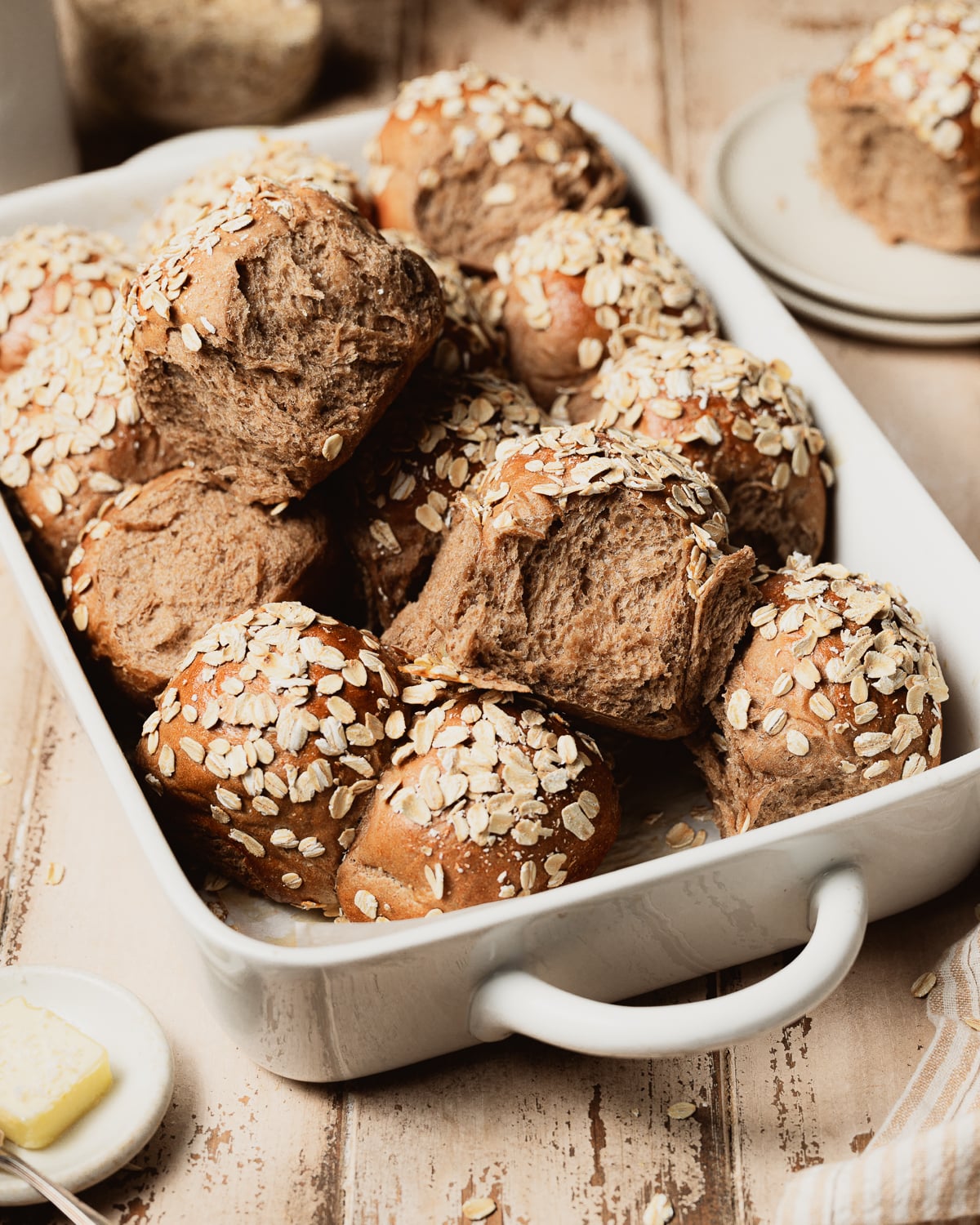
These Sourdough Discard Oatmeal Molasses Rolls are plush, pillowy, and the ultimate comfort food. Inspired by the famous brown bread from The Cheesecake Factory, these rolls have a rich sweetness from molasses and a soft, airy texture from cooked oatmeal. Sourdough discard adds moisture and a subtle tang, while a small amount of cocoa powder gives the rolls their signature deep brown color without making them taste like chocolate. Serve them warm with homemade cultured butter at holiday dinners, dinner parties, and BBQs, then watch everyone fight over the last roll.
Copycat Cheesecake Factory Brown Bread Recipe
If you love the warm brown bread from The Cheesecake Factory, you'll love these rolls! Molasses gives the add a delicious malty flavor, while a small amount of Dutch-processed cocoa enhances their rich brown hue. Cooked oats add moisture to the dough and help create a light, tender crumb. Instead of shaping the dough into mini baguettes, I opted for tear-and-share rolls, which makes shaping much easier. Baking them close together in a pan also encourages them to rise upward, creating the plush, pillowy texture that makes them so so good.
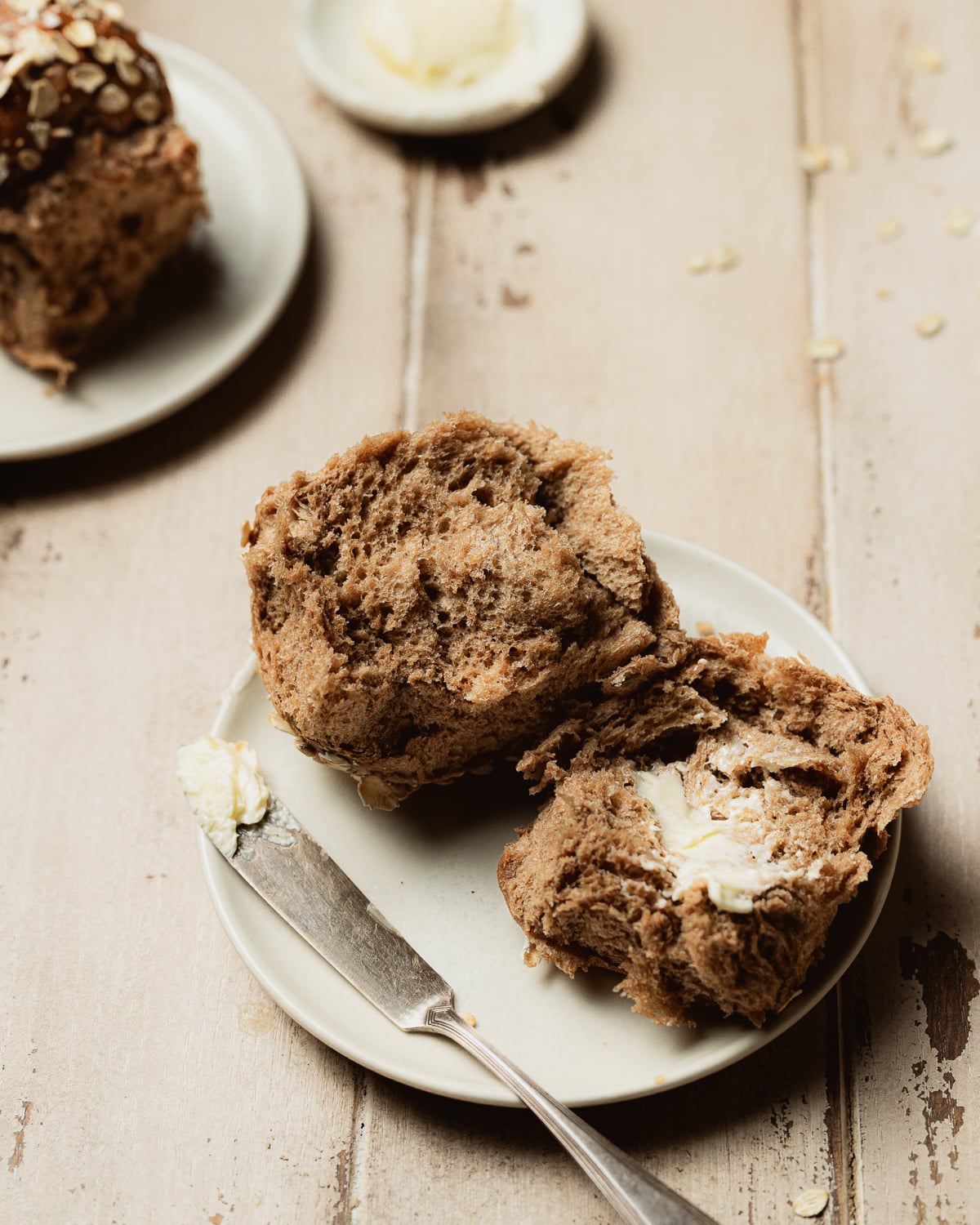
These rolls taste great served with honey butter, homemade blueberry preserves, or raspberry preserves.
Ingredients You Need and Why
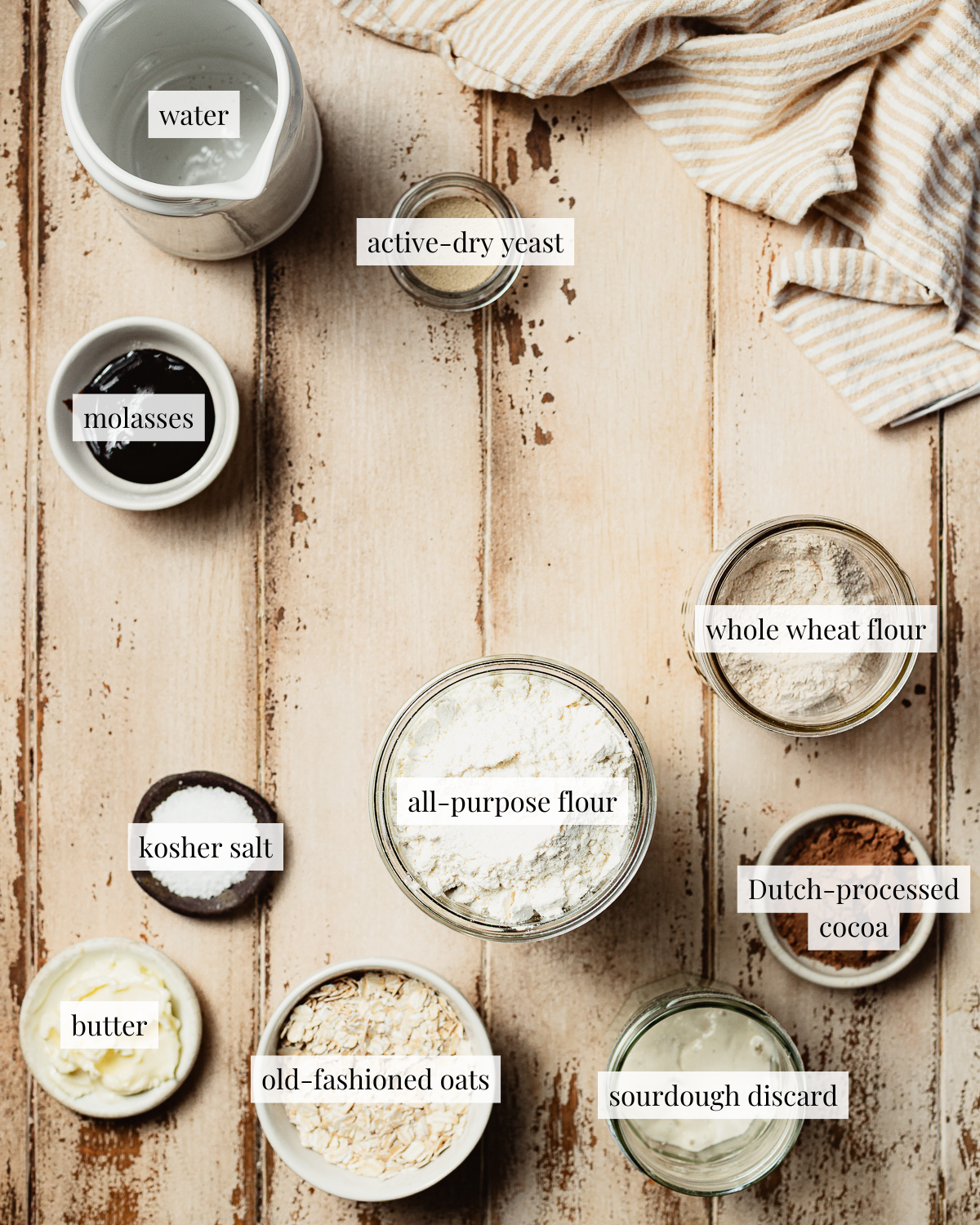
Old-fashioned oats make these rolls extra plush and pillowy: Oatmeal adds lots of moisture to the dough without making it too wet and difficult to handle. More water means softer bread with a fluffier texture. Remember to let the porridge cool down or the heat will kill the yeast.
Sourdough discard adds flavor and keeps the rolls fresh: Adds a subtle tang that balances the sweetness of the molasses and adds extra moisture to the dough.
Molasses and Dutch-processed cocoa powder create their signature dark color: Molasses gives the rolls their deep, malty flavor, while a small amount of cocoa enhances their rich brown hue without adding a noticeable chocolate flavor.
A blend of whole wheat and all-purpose flour balances flavor and texture: Whole wheat flour adds a subtle nuttiness, while all-purpose flour keeps the rolls light and fluffy.
Step-by-step Instructions with Photos
Prep
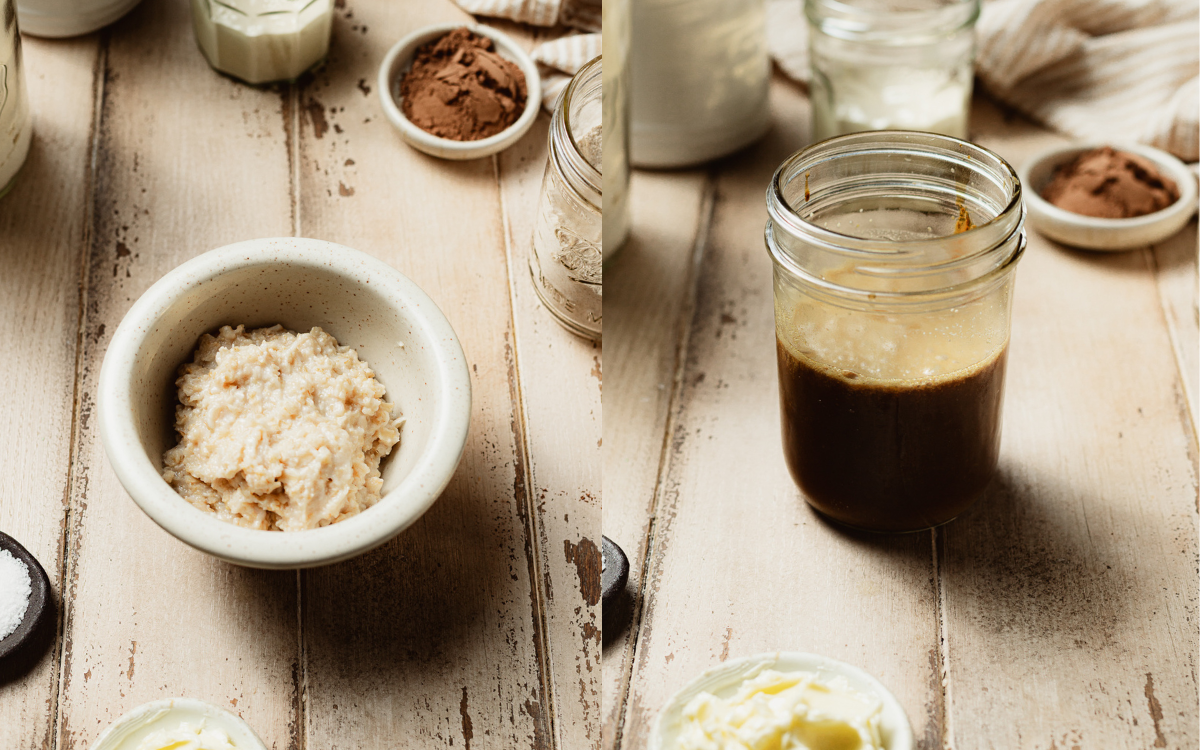
Cook the oats until the water is absorbed and the mixture has thickened, let the porridge cool completely. While the porridge cools, bloom the yeast in the water and molasses.
Make the dough
Combine the ingredients with the cooled porridge and yeast mixture in the bowl of a stand mixer. Mix with a dough hook until smooth, about 5 to 10 minutes. Knead the dough lightly and round into a tight ball.
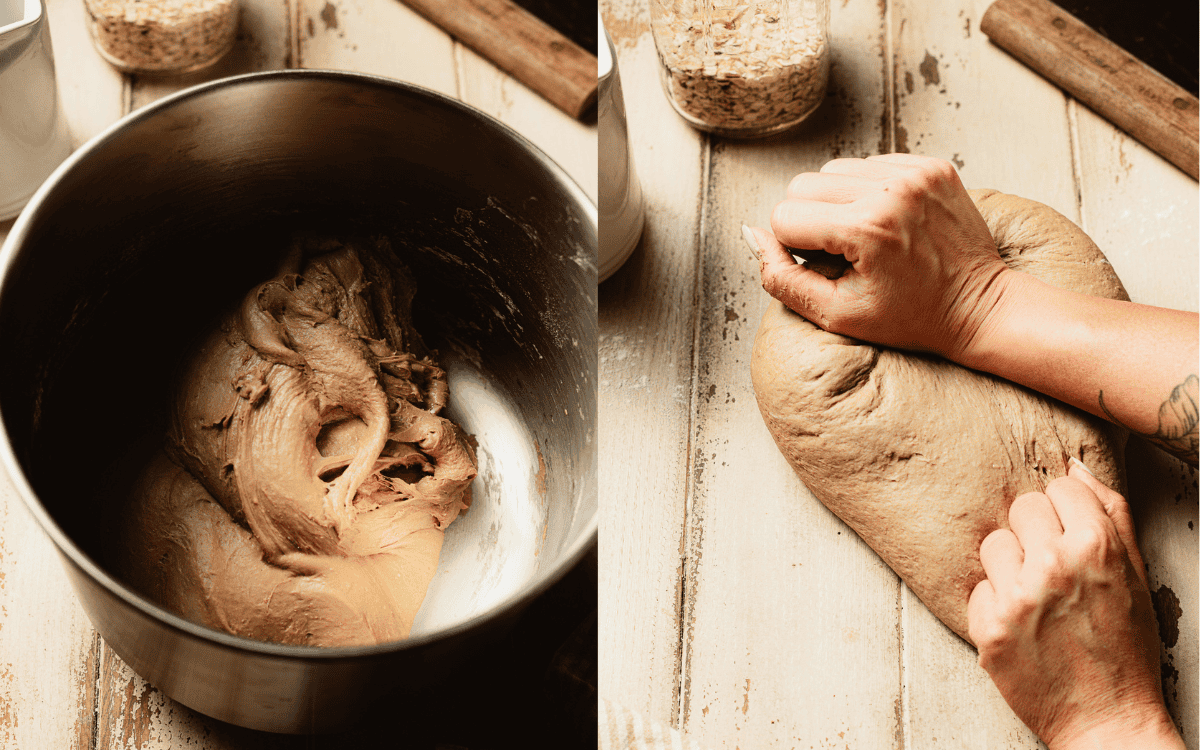
Let the dough rise
Return the dough to a lightly-oiled bowl and cover with plastic wrap. Let the dough rise untouched until doubled in volume, about 30 to 45 minutes.
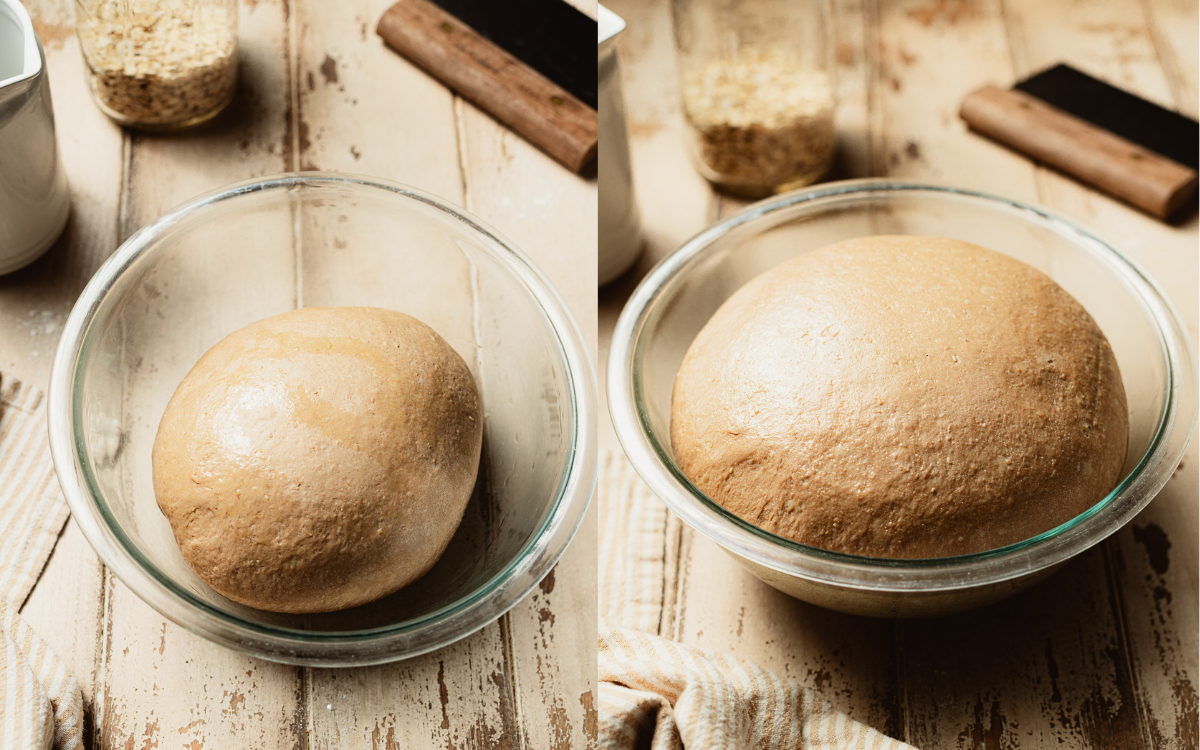
Shape the dough
Divide the dough into 15 portions. Round each piece of dough into a tight ball.
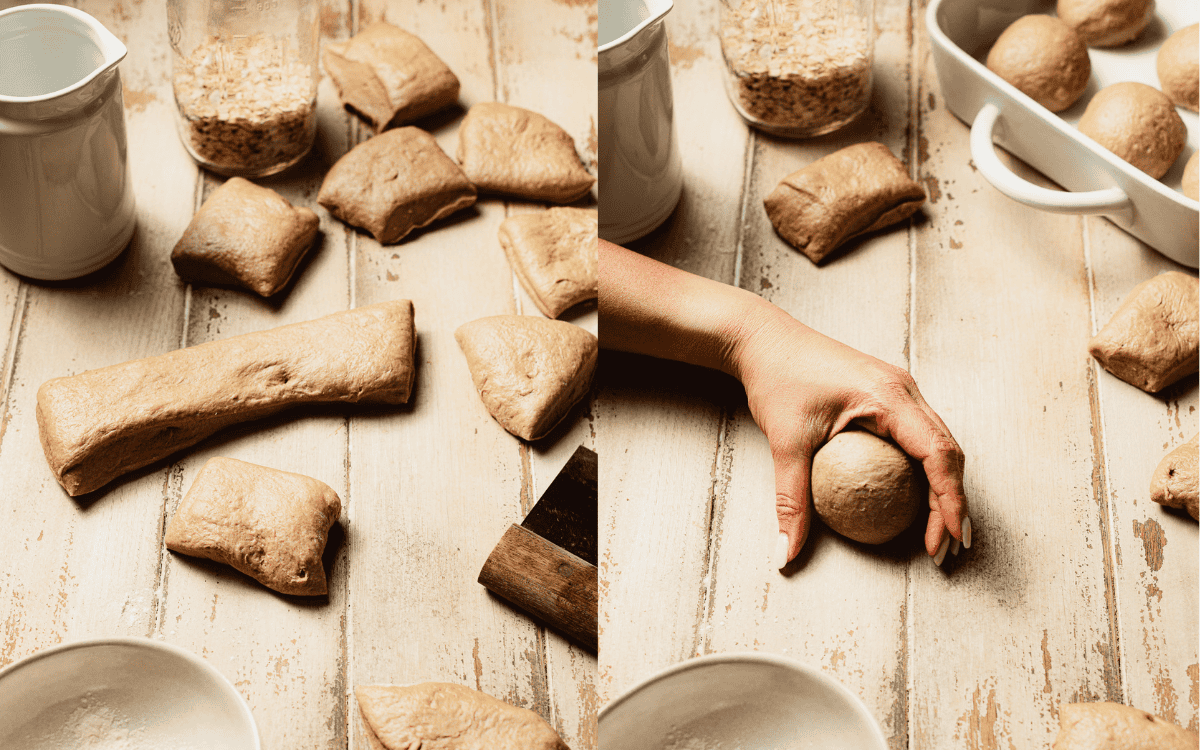
Final proof
Arrange the rolls in a large parchment-lined baking dish. Cover the dish with plastic wrap and let the dough rise until puffy and nearly fills the pan.
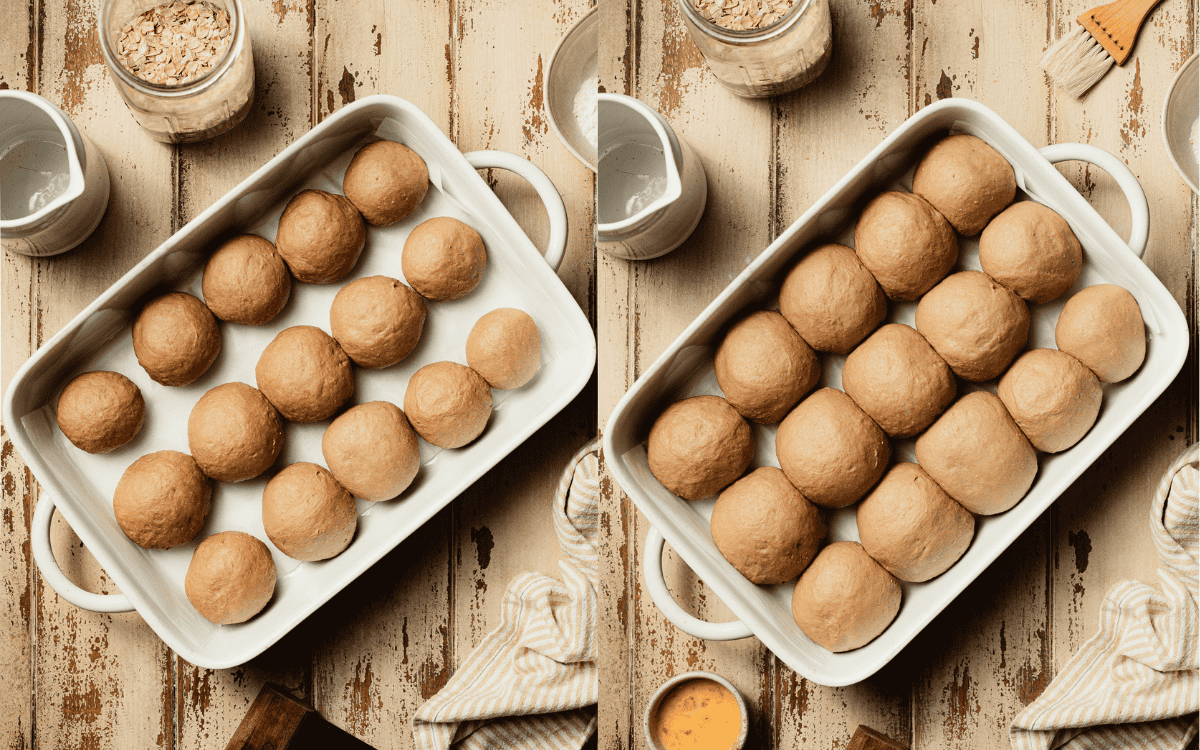
Bake the rolls
Brush the dough with egg wash and top with an even layer of old-fashioned oats. Bake the rolls at 375 F for 30 to 45 minutes.
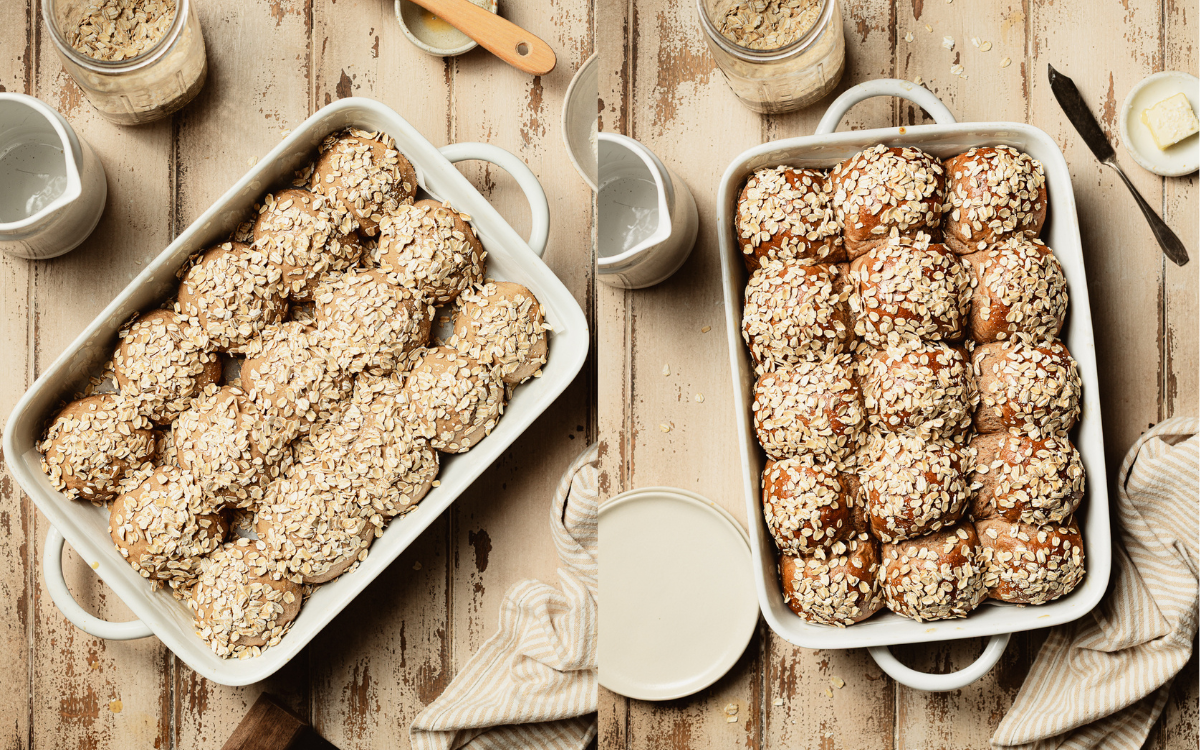
Because the dough is dark brown, it can be difficult to tell when these rolls are fully baked just by appearance. The best way to check for doneness is with an instant-read thermometer. The center of the rolls should register 190 F.
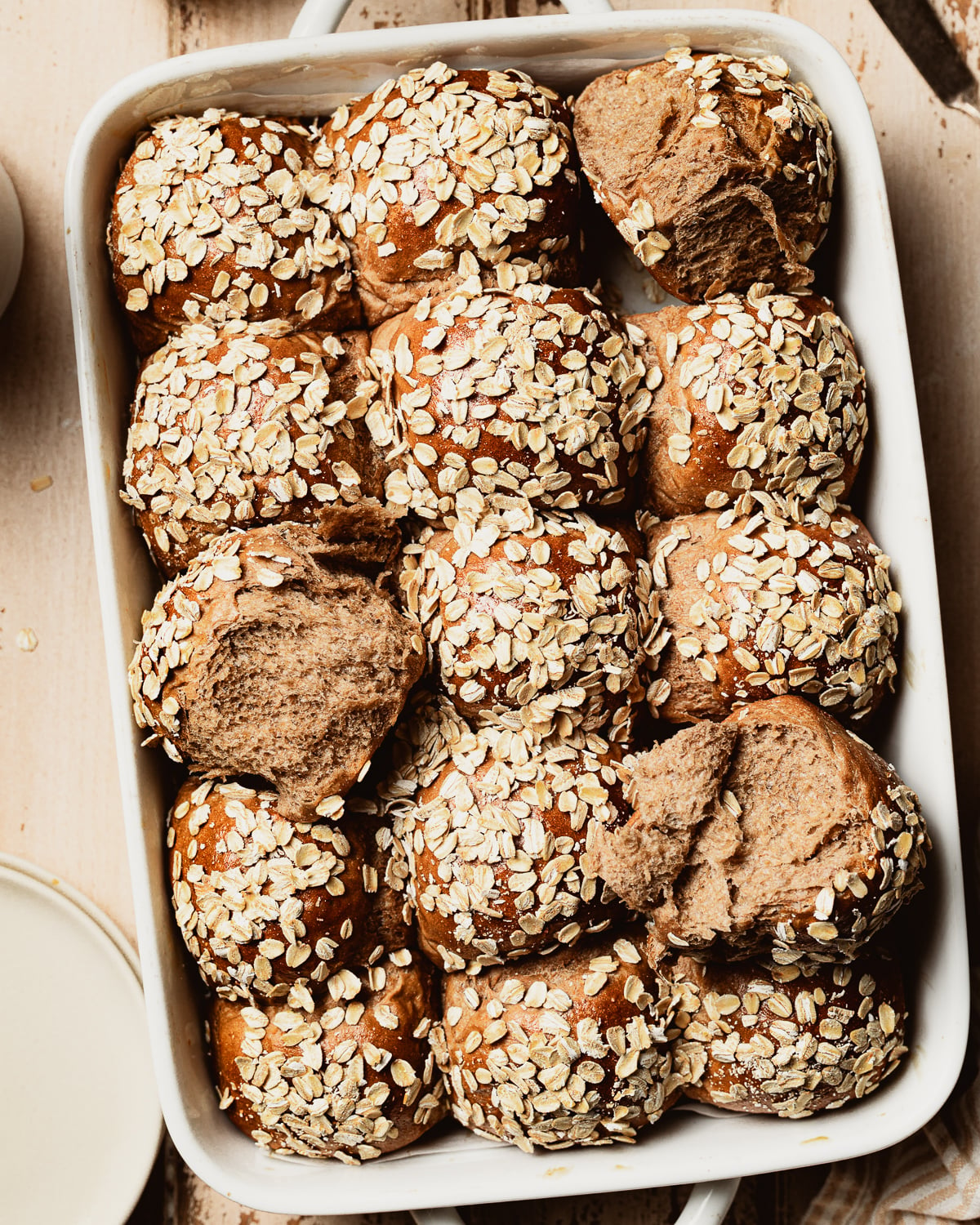
How to make these rolls in advance
Freeze the dough: Shape the rolls as directed. Let the rolls rise for 30 minutes, covered with plastic wrap. Store the rolls in the freezer for up to 1 month. Bake as directed. Do not freeze the dough in a glass or ceramic baking dish, as it may crack when transferred directly from the freezer to the oven. Instead, use a metal baking pan, which can safely withstand the temperature change.
Freeze the rolls: Once the rolls have cooled completely, wrap them tightly in two layers of aluminum foil and freeze for up to 1 month. To reheat, place the foil-wrapped rolls on a baking sheet and warm them in the oven at 325 F for 20 to 25 minutes or until heated through. Keeping the rolls wrapped in foil prevents them from becoming too crusty and helps preserve their soft, plush texture.
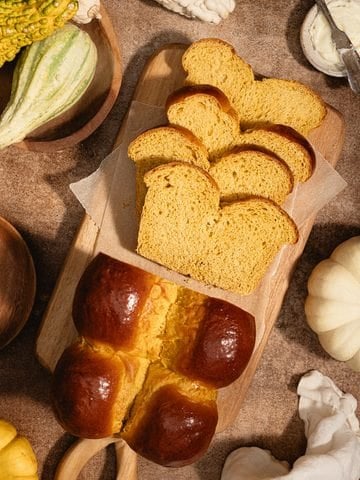
If you love rolls as much as I do, try my recipes for Honey Wheat Sourdough Discard Rolls, Sourdough Discard Pumpkin Rolls or Sourdough Discard Crescent Rolls.
Did this recipe rise to the occasion?
★★★★★
Leave a star rating and a comment. Your feedback inspires future recipes and helps others feel confident choosing what to bake next. I read and respond to every message.
If you're looking for additional ways to support my work, share this recipe or buy me a Ko-fi. Every little bit helps me keep creating the recipes and guides you enjoy.
Thank you for your support!

Sourdough Discard Molasses Oat Rolls
Equipment
- 18 by 13 - inch baking dish ceramic, glass or metal
This section may contain affiliate links
Ingredients
Oatmeal Porridge
- 50 grams old fashioned oats
- 226 grams water
Dough
- 226 grams water
- 42 grams molasses
- 7 grams active dry yeast
- 113 grams sourdough discard
- 120 grams whole wheat flour
- 480 grams all-purpose flour
- 15 grams cocoa powder
- 12 grams salt
- 28 grams unsalted butter room temperature
Topping
- egg
- old fashioned oats
Click US Customary to view volume measurements
Instructions
- Make the oatmeal porridge: Combine the oats and water in a small saucepan. Bring the mixture to a boil over medium heat. Continue cooking until the liquid is absorbed and the oats are soft and have puffed up, about 5 minutes. Transfer to a bowl and let the porridge cool completely before adding it to the dough.50 grams old fashioned oats, 226 grams water
- Make the dough: Whisk the water, molasses and yeast together in a glass measuring cup. Cover with plastic wrap and let the yeast bloom until fragrant and foamy, about 15 minutes.226 grams water, 42 grams molasses, 7 grams active dry yeast
- Combine the cooled porridge, yeast mixture and sourdough discard in the bowl of a stand mixer fitted with a dough hook. Mix until no traces of starter remain.113 grams sourdough discard
- Add the the dry ingredients into the bowl and continue mixing until a cohesive dough forms.120 grams whole wheat flour, 480 grams all-purpose flour, 15 grams cocoa powder, 12 grams salt
- Add the butter and mix until the dough no longer looks shiny.28 grams unsalted butter
- Continue kneading with the dough hook for 5 to 10 minutes until it pulls away from the sides and clings to the dough hook, it should be smooth and pliable.
- Turn the dough out on a clean work surface, knead lightly and round it into a tight ball. Transfer the dough to a lightly-oiled bowl and cover with plastic wrap.
- Let the dough rise: Let the dough rise untouched in a warm spot until doubled in volume, about 30 minutes to 1 hour, depending on the temperature of your kitchen.
- Line a large baking pan (9 by 13 inches) with parchment paper.
- Shape the dough: Turn the dough out on a clean work surface. Flatten into a rectangle and divide it into 15 portions, using a bench scraper. Cover the pieces with plastic wrap to prevent them from drying out.
- Take one portion and flatten it into a rough rectangle. Fold the corners towards the center and pinch to seal. Turn the dough seam-side down and drag it in a circular motion until it forms a tight ball. Transfer the dough to the prepared baking pan. Repeat with the remaining portions of dough.
- Final proof: Cover the pan with plastic wrap and let the dough rise undisturbed until puffy and nearly fills the pan. The rolls should be lightly touching by the end of the rise, about 30 minutes to 1 hour.
- Prep: Preheat the oven to 375 F. Whisk the egg. Brush the tops of the dough with egg wash. Sprinkle an even layer of oats on top of the dough.egg, old fashioned oats
- Bake: Bake the dough for 30 to 45 minutes or the rolls register 190 F when probed with an instant-read thermometer.
- Enjoy and store: Transfer the baked rolls to a wire rack. These are best enjoyed the day they are baked but can be stored in a ziplock bag at room temperature for up to 3 days.
Tips
These recipes were developed and tested using grams for precise measurements. To increase your chances of success, I recommend investing in a kitchen scale. I've included rough volume estimates (in tablespoons and cups), but they might not be totally accurate.
Remember all ovens are unique, these recipes were tested in my oven which runs cooler than others. You might need to lower the temperature if your bake appears to be browning too quickly. Monitor your bake closely and make adjustments if needed.
Notes
Nutrition
I am not a nutritionist or dietitian, any nutrition information provided is an estimate.


NK says
I baked these rolls on a half sheet pan since that's the only 13x18 pan I have. The rolls were at 205°F after 20 mins. I'm assuming it's due to the pan. The rolls were still delicious, just a little dry. I'll definitely make them again but check them around 16-18 mins. Thanks again for another wonderful recipe!
Hannah Dela Cruz says
Hi NK! I'm so happy you still loved the rolls. Thanks for your comment, I realized that this was totally my bad. I meant to say a 9 by 13 inch baking pan, ceramic or metal. So sorry about that. I'm glad your rolls still turned out great.
Juliane says
So good!!!!
Hannah Dela Cruz says
Hi Juliane! Thanks for trying this one out. So excited that you liked them.
Ma says
Hi, These rolls sound delicious; however, how should the recipe be adjusted to only use sourdough discard and no yeast?
Hannah Dela Cruz says
Hi! If you don’t want to use yeast, you’ll need to use active sourdough starter instead of sourdough discard. You’ll also need to give the dough a much longer rise time. The bulk fermentation will take closer to 4 to 6 hours instead of about 30 minutes. I’d also recommend doing a final proof overnight in the refrigerator to help develop flavor and improve the texture of the dough.