

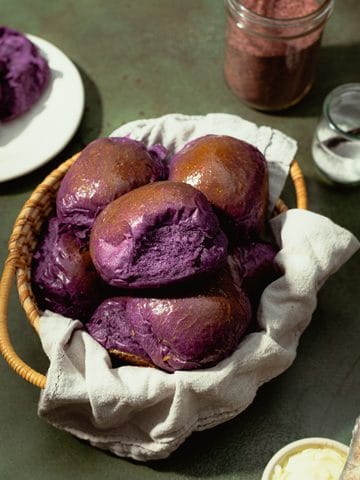
Make room for these Sourdough Discard Coconut Cardamom Ube Sweet Rolls on the dessert table! These pillowy purple rolls are filled with a sweet coconut and cardamom filling. Ube powder and all-purpose flour create a super soft crumb, while ube extract adds color and flavor. Sourdough discard adds a depth of flavor and since the recipe also uses commercial yeast, there's no need to feed or activate your starter. You can make these rolls in just one day, with no advance planning required!
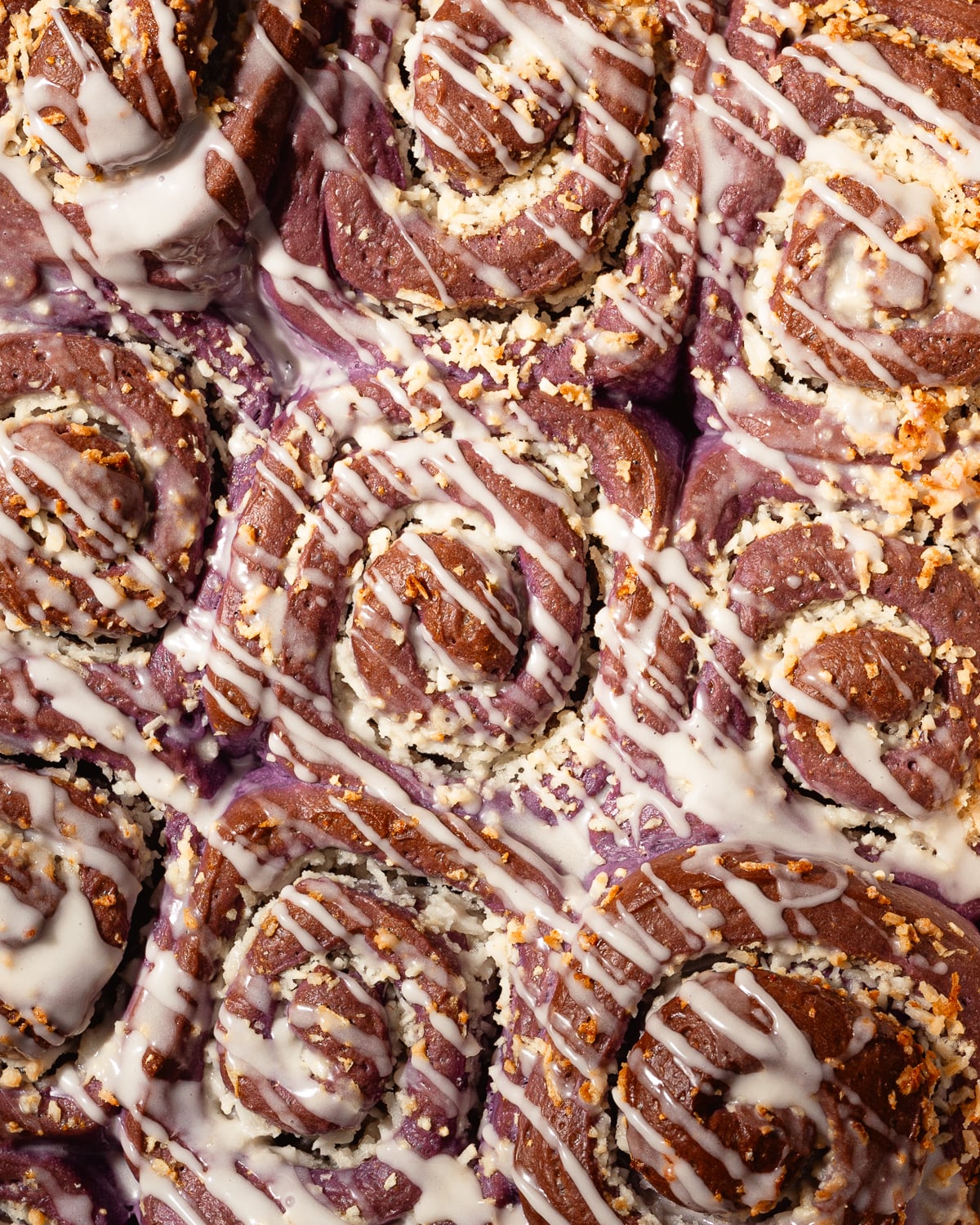
If you grew up in the Philippines like I did, you probably know just how much we love our ube desserts! After making my sourdough discard ube rolls and sourdough discard ube brioche, I already knew that aside from its beautiful purple color and delicious flavor, ube also makes bread incredibly fluffy and airy.
The coconut filling is based on the sweet coconut filling found in Chinese bakery-style cocktail buns, with a touch of cardamom that adds a warm and slightly floral flavor. I finish the rolls with a super simple glaze that adds just enough sweetness without overpowering the delicate flavor of the ube.
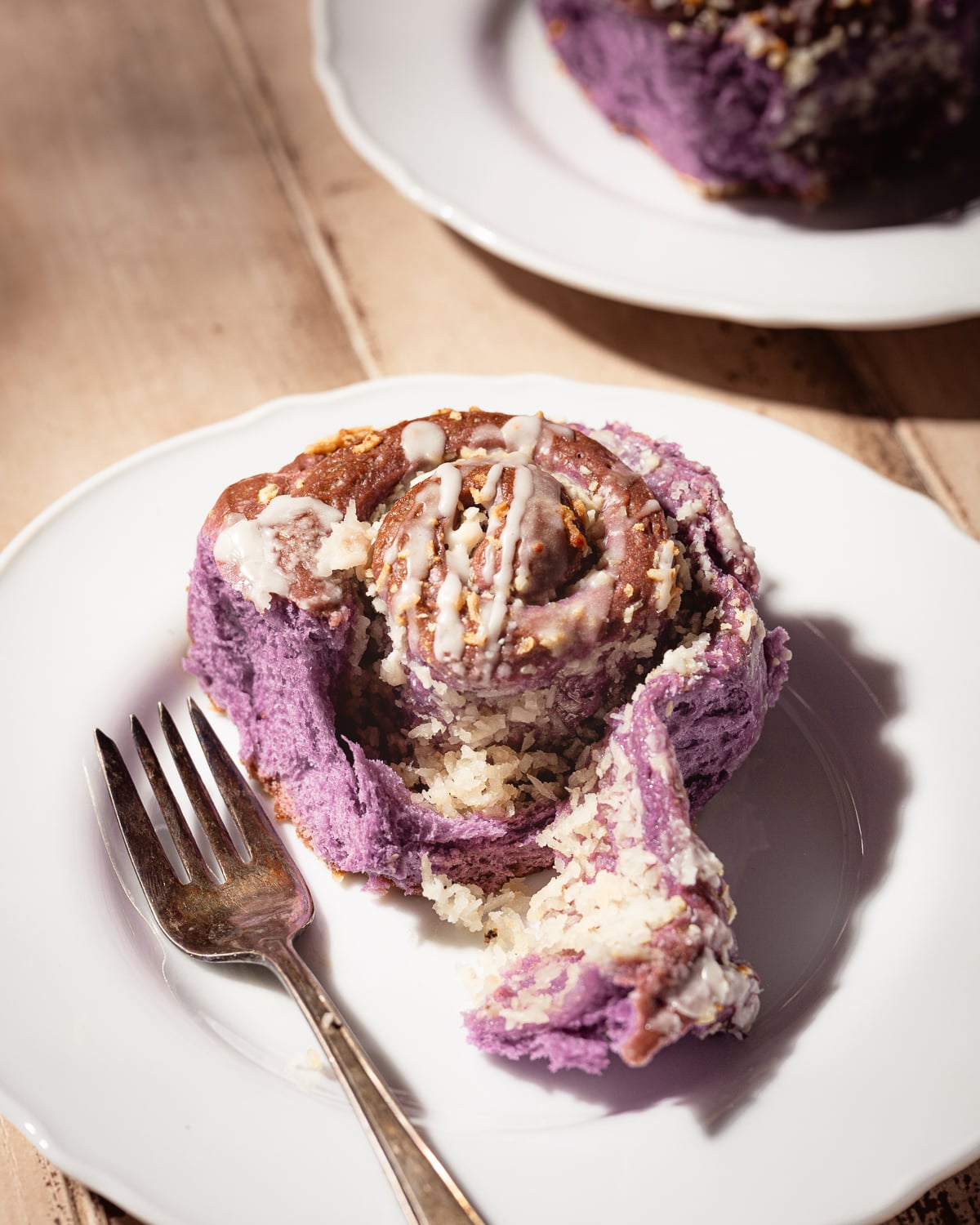
How to make ube sweet rolls, step-by-step
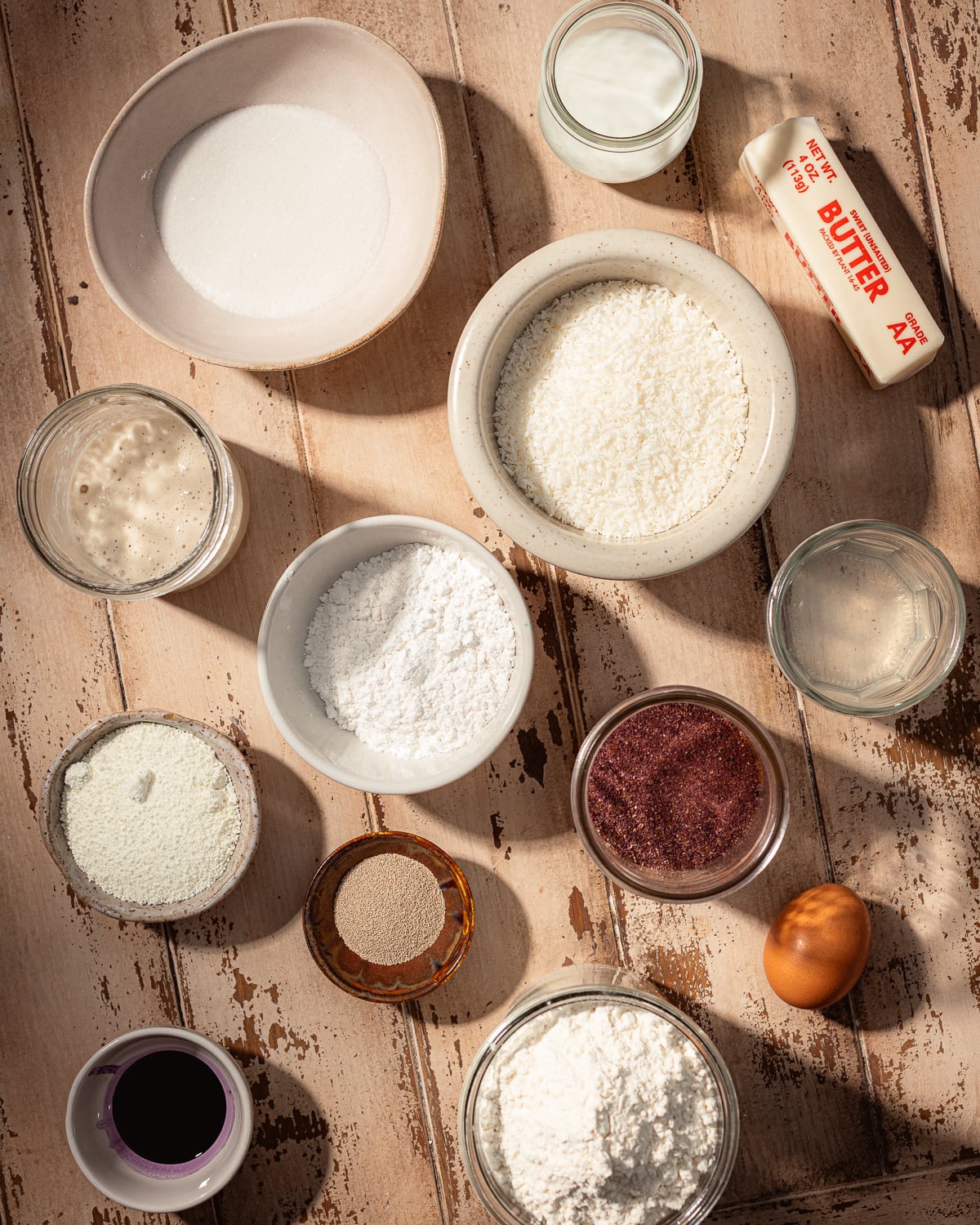
Gather your ingredients
Thankfully, both ube powder and ube extract are now widely available online, but you can usually find both ingredients at Asian grocery stores, too. Make sure you purchase purple yam powder, not purple sweet potato powder, as the two have different flavor profiles.
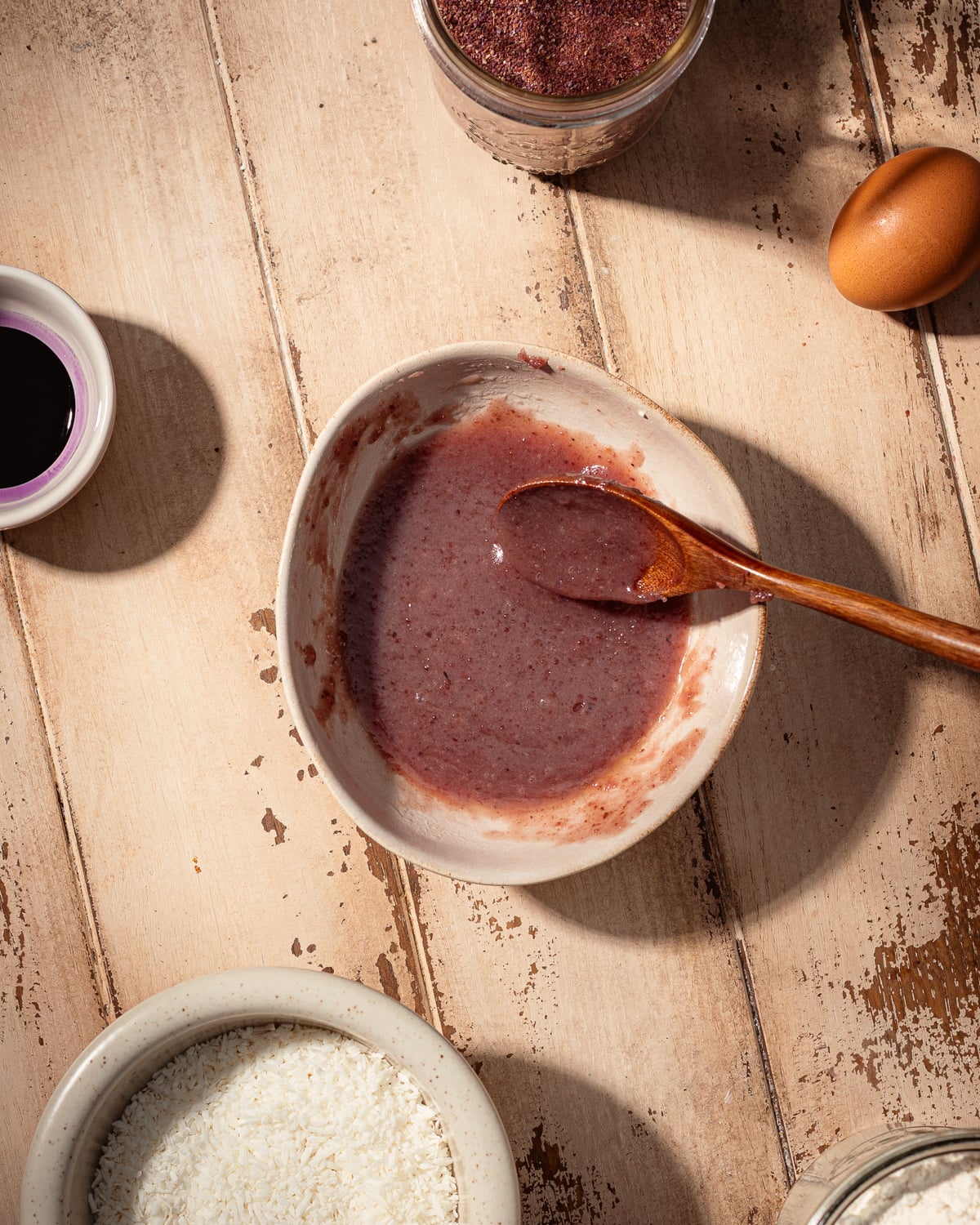
Make the halaya
Soak the ube powder in water for 15 minutes. Add the remaining halaya ingredients, except the butter, and bring the mixture to a boil. Lower the heat to a simmer and cook for 15 to 20 minutes, stirring frequently to prevent scorching, until slightly thickened to the consistency of a thick gravy (the mixture won't be as thick as a traditional halaya or store-bought ube jam). Stir in the butter and let the mixture cool completely.
Make the dough
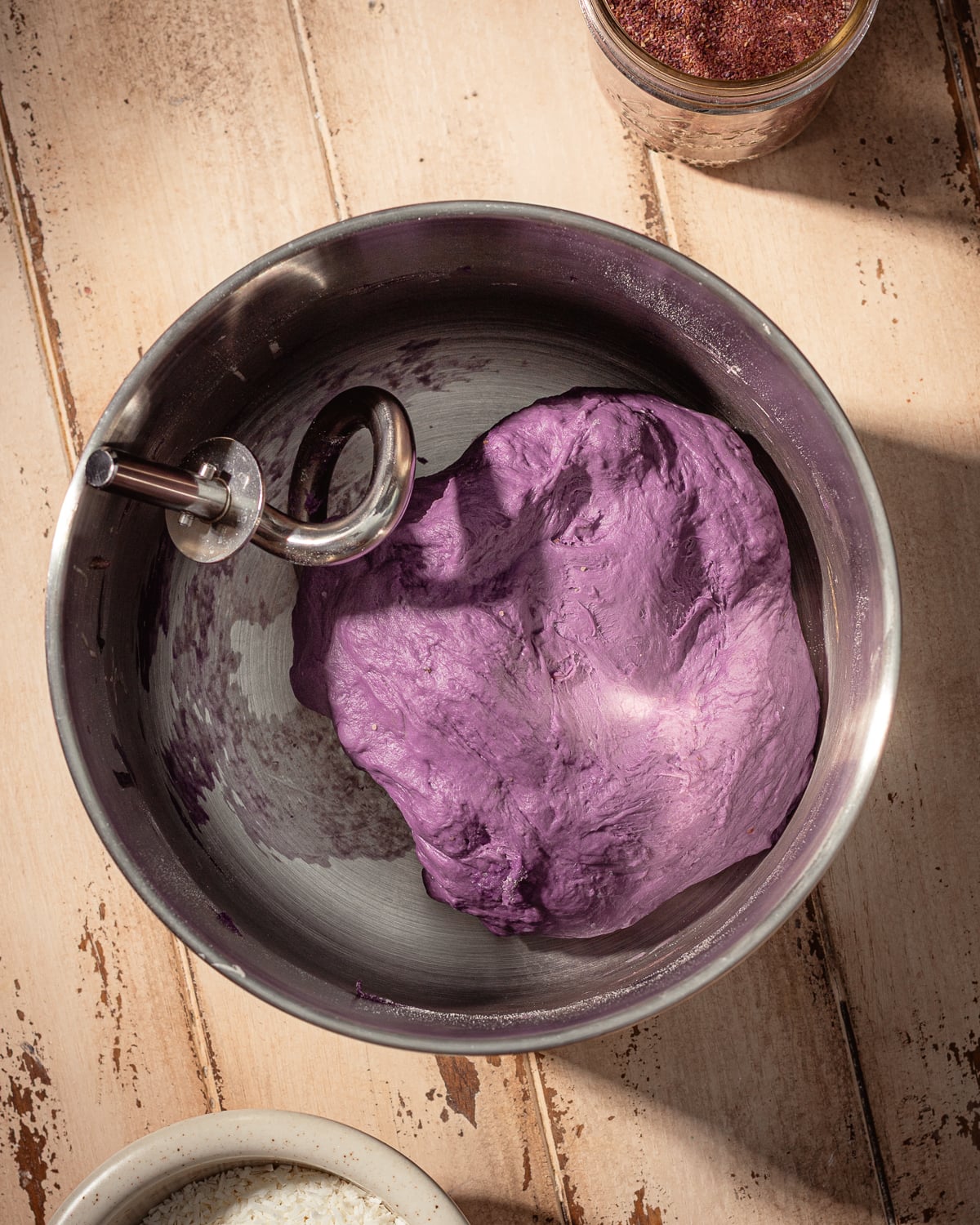
While the ube halaya cools, bloom the yeast in the sugar and milk. Combine the dough ingredients and mix using a stand mixer until a cohesive dough forms. The dough should be smooth and elastic, which is a good indication of gluten development and a great sign that your rolls will be soft and fluffy.
Proof the dough
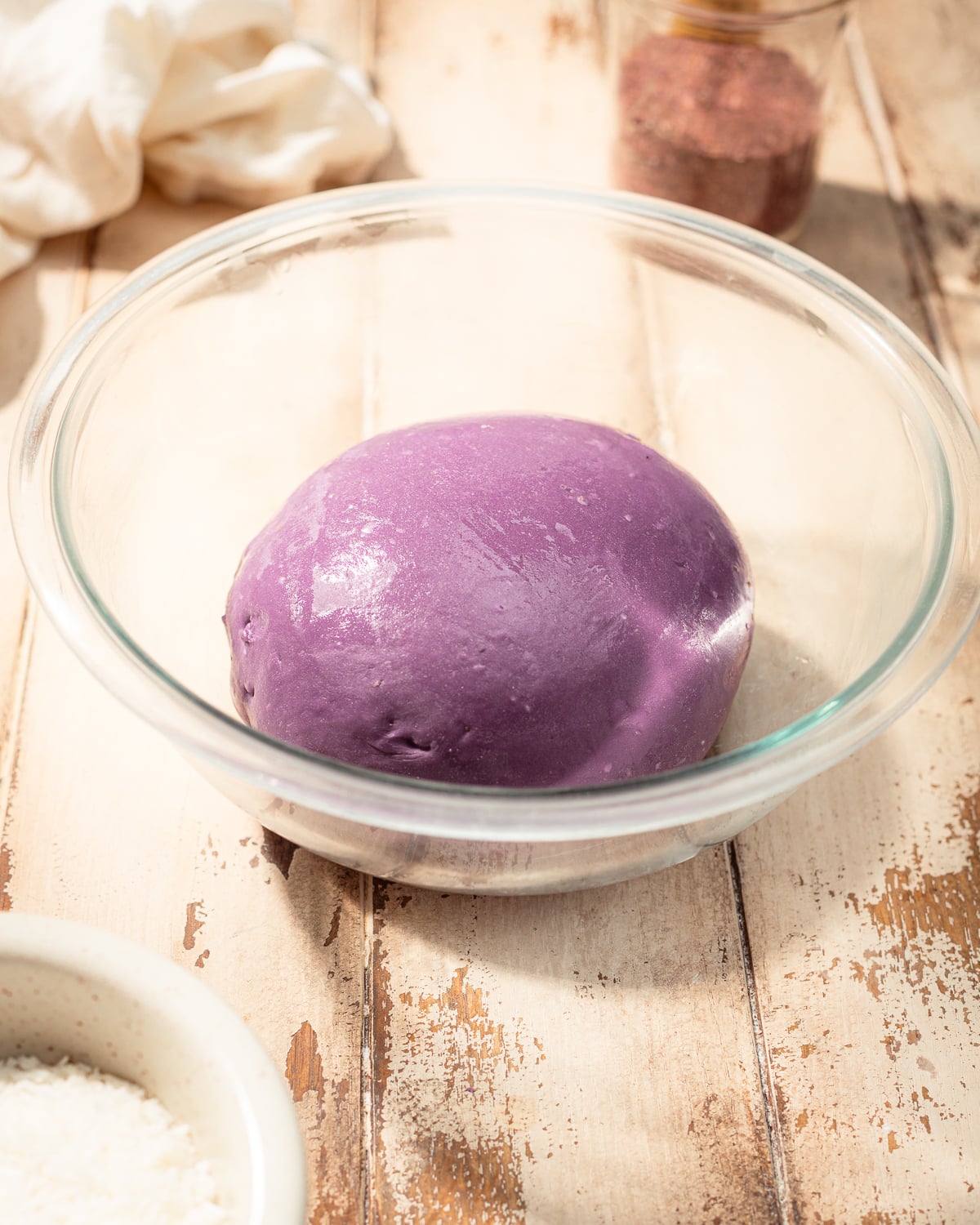
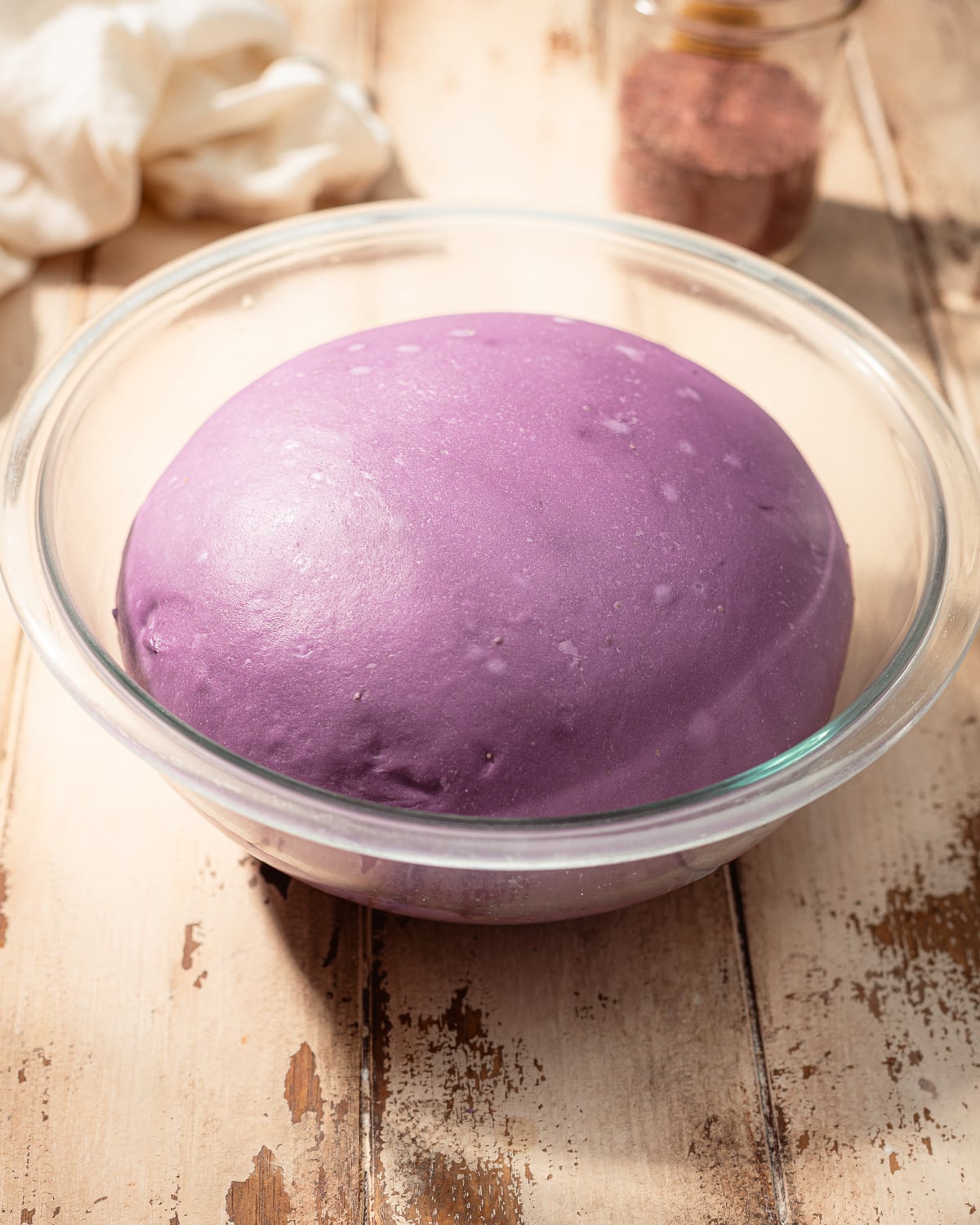
Let the dough proof in a clean lightly-oiled bowl until doubled in volume, about 45 minutes to 2 hours (depending on the temperature of your kitchen).
Make the filling
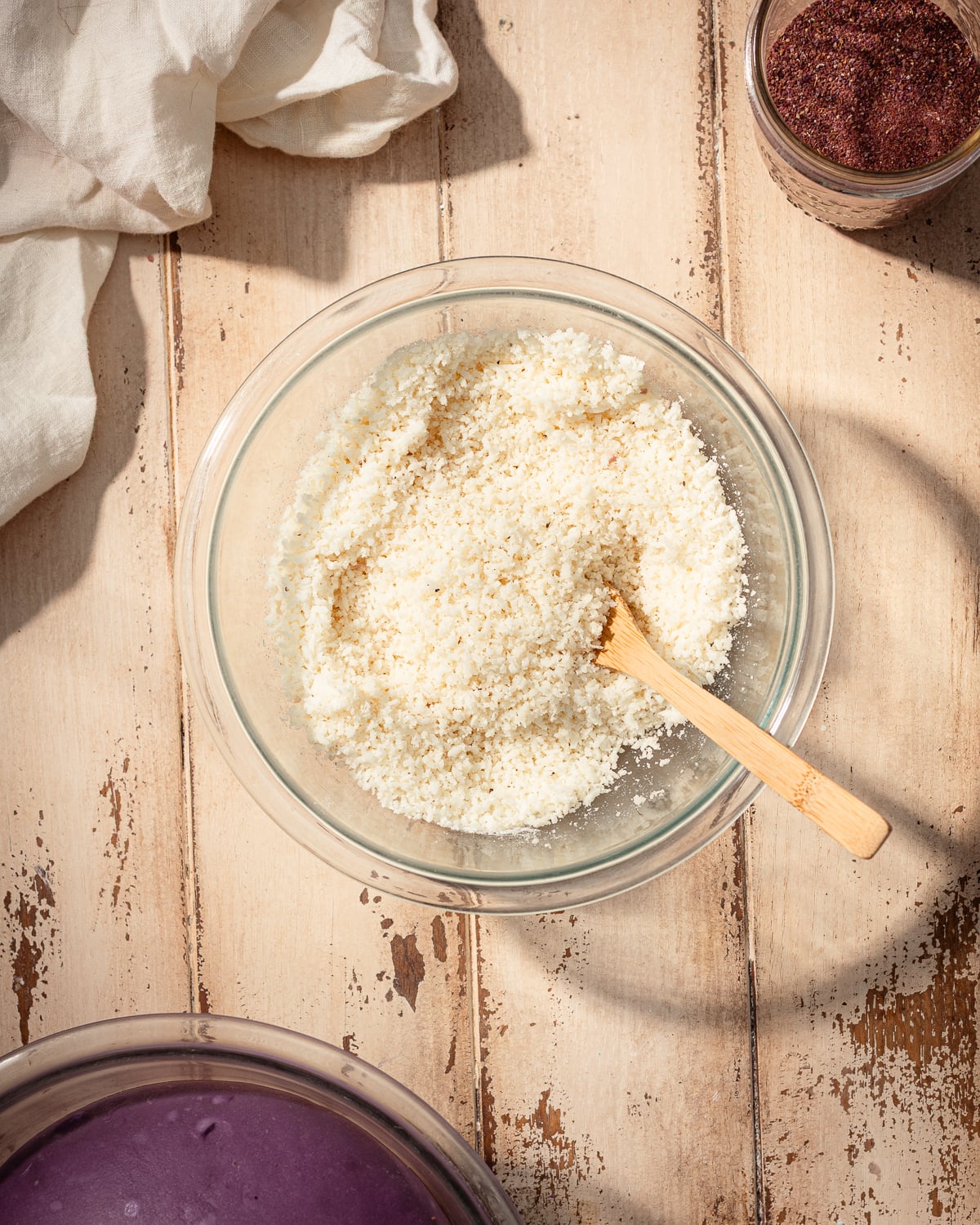
Combine the desiccated coconut, milk powder, cardamom, melted butter, and sugar in a small bowl. The filling may look dry, but don't worry! That's exactly how it's supposed to be.
Shape the rolls
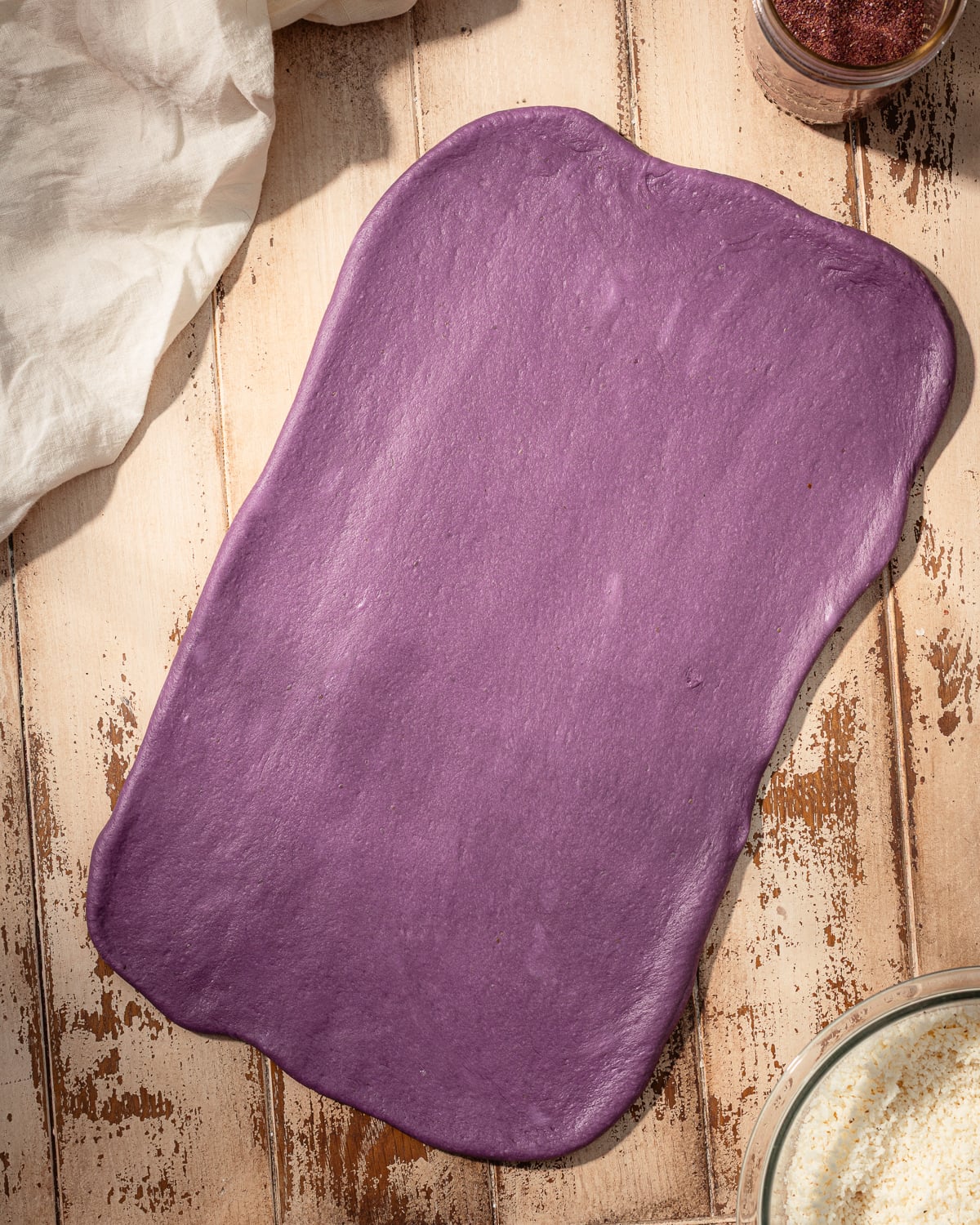
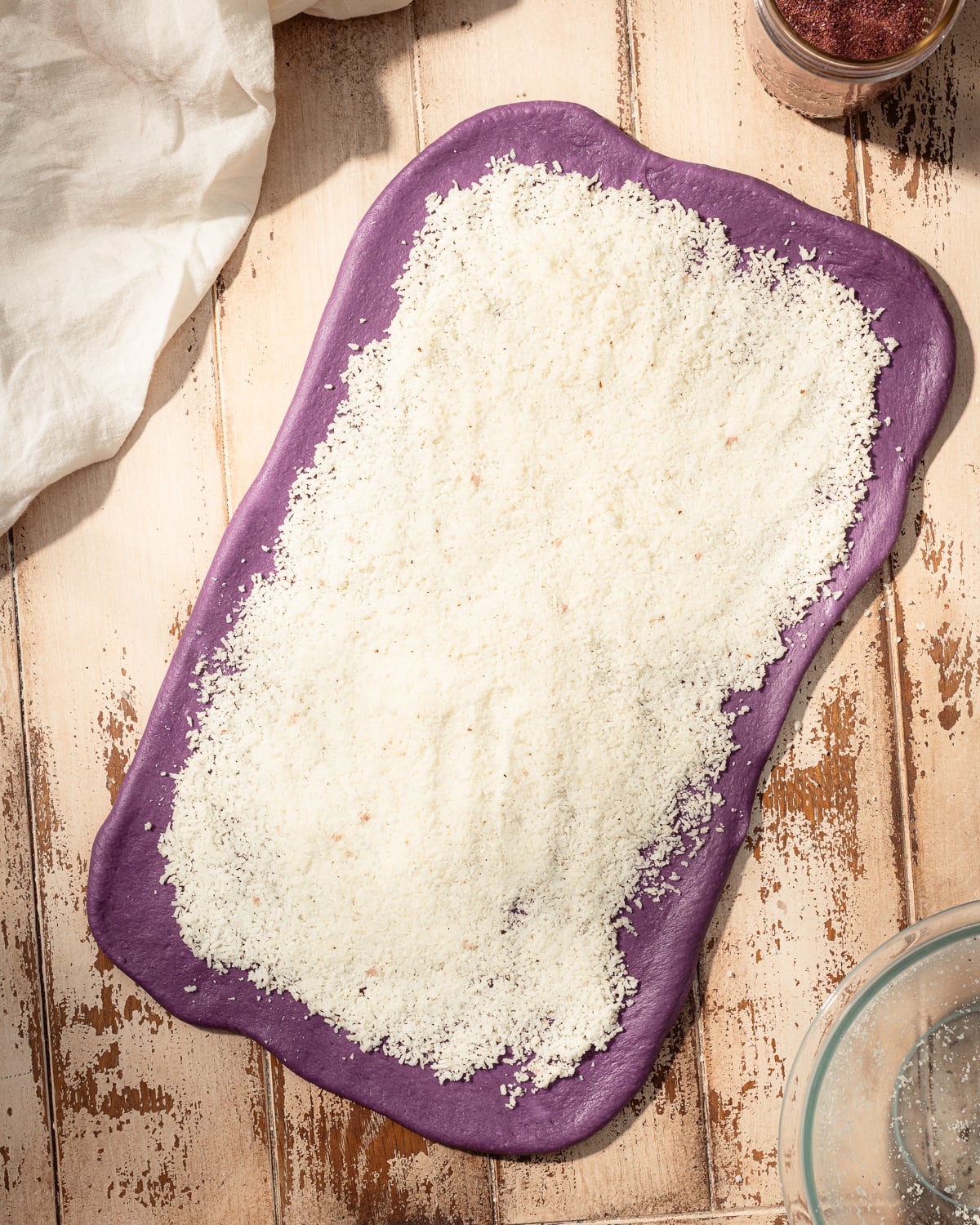
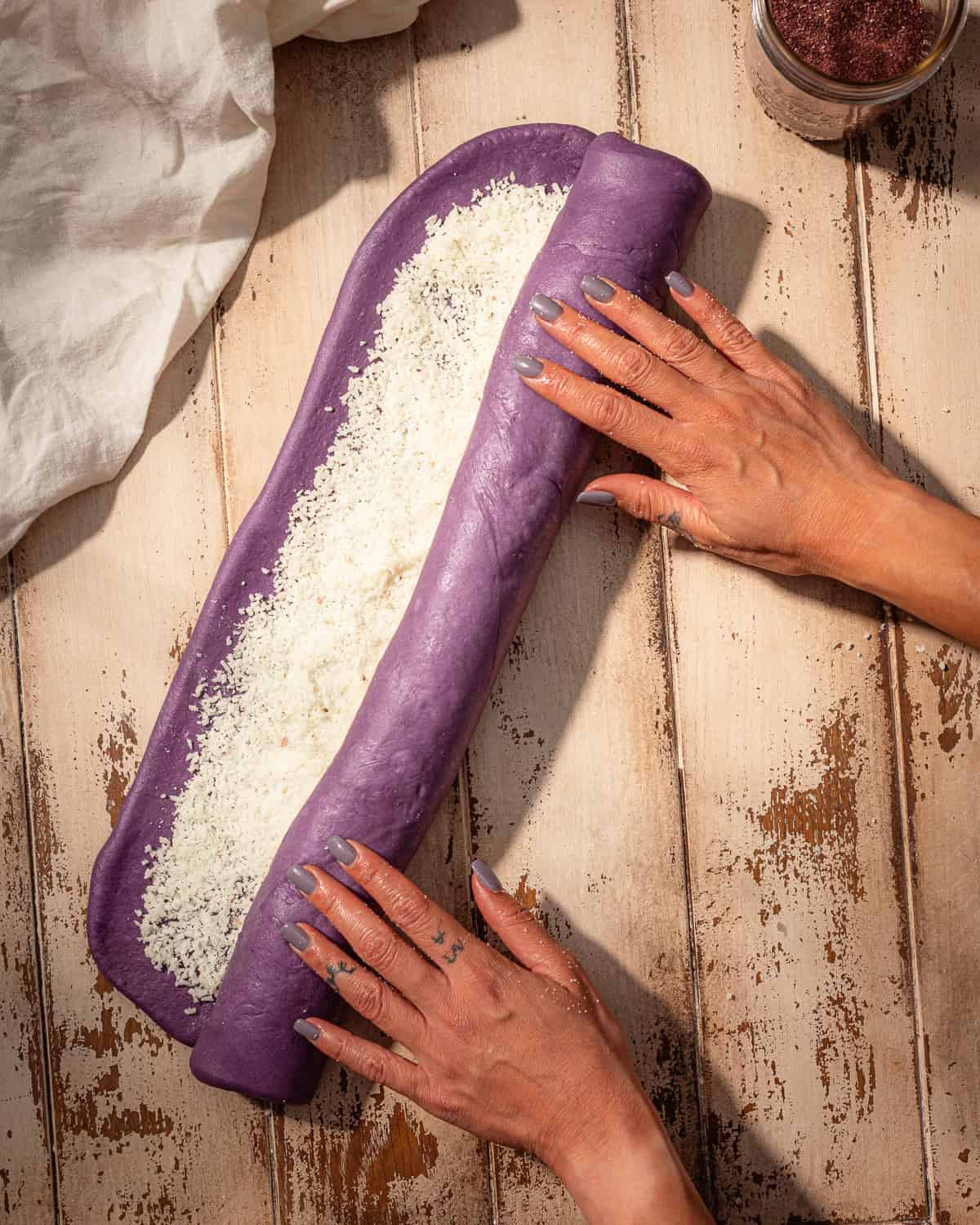
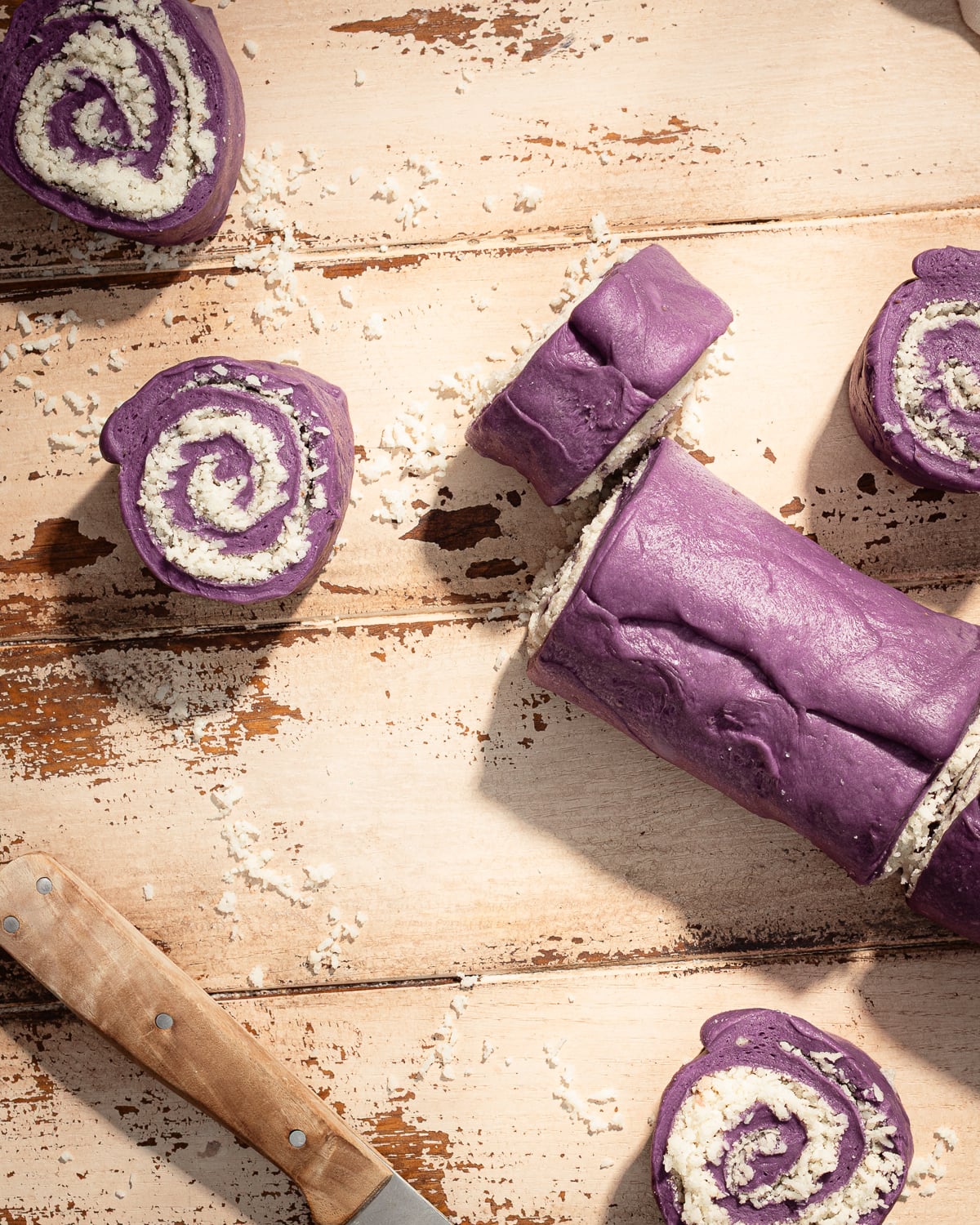
Flatten the dough into a 10-by-18-inch rectangle. Spread the coconut filling evenly over the surface of the dough, leaving a ½-inch border around the edges. Working with the longer side, roll the dough into a tight log. Cut the dough into 12 even segments.
Complete the final proof
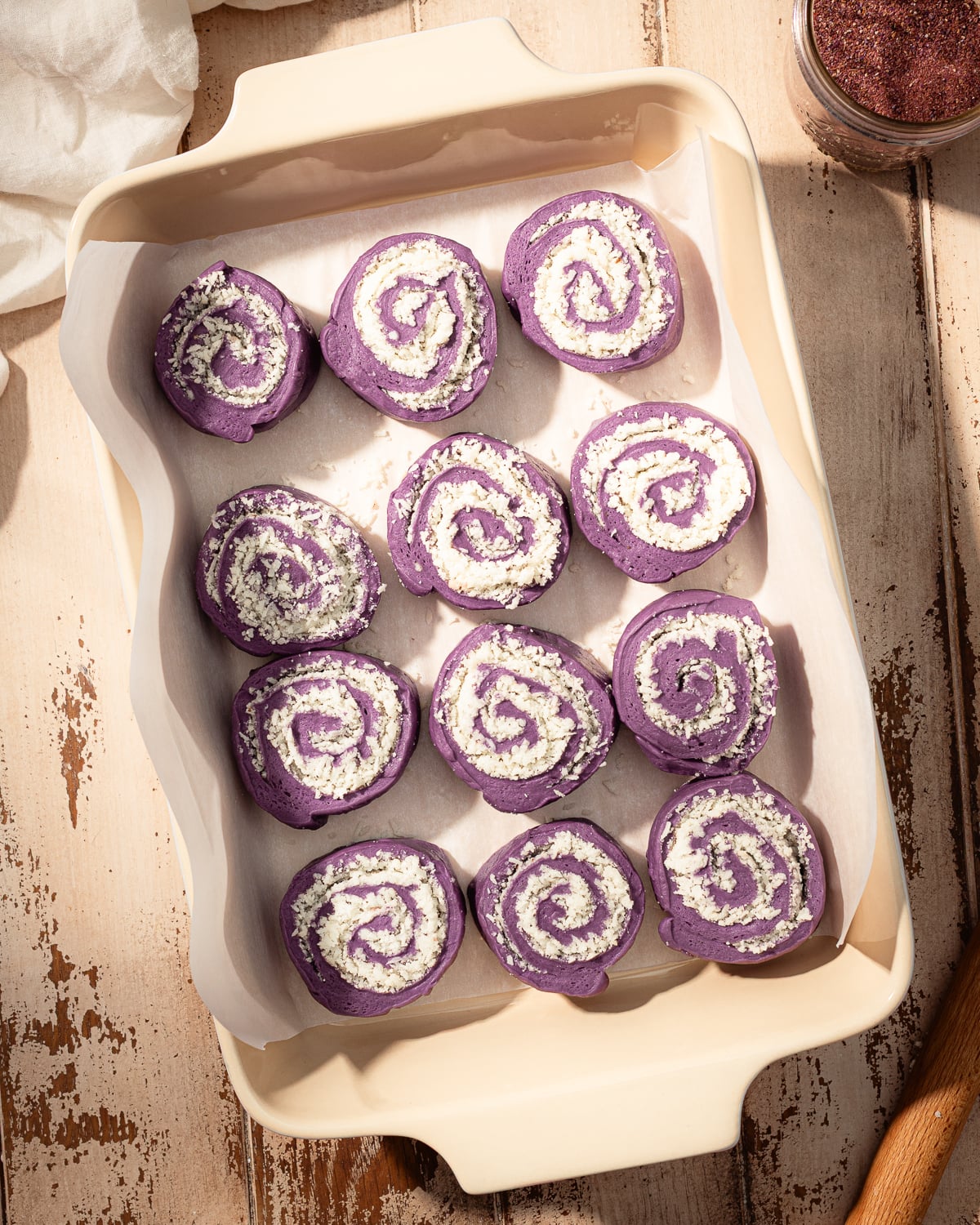
Arrange the dough on a 9-by-13-inch rectangular baking dish lined with parchment paper. Cover with plastic wrap and let the dough proof until the rolls almost fill the pan.
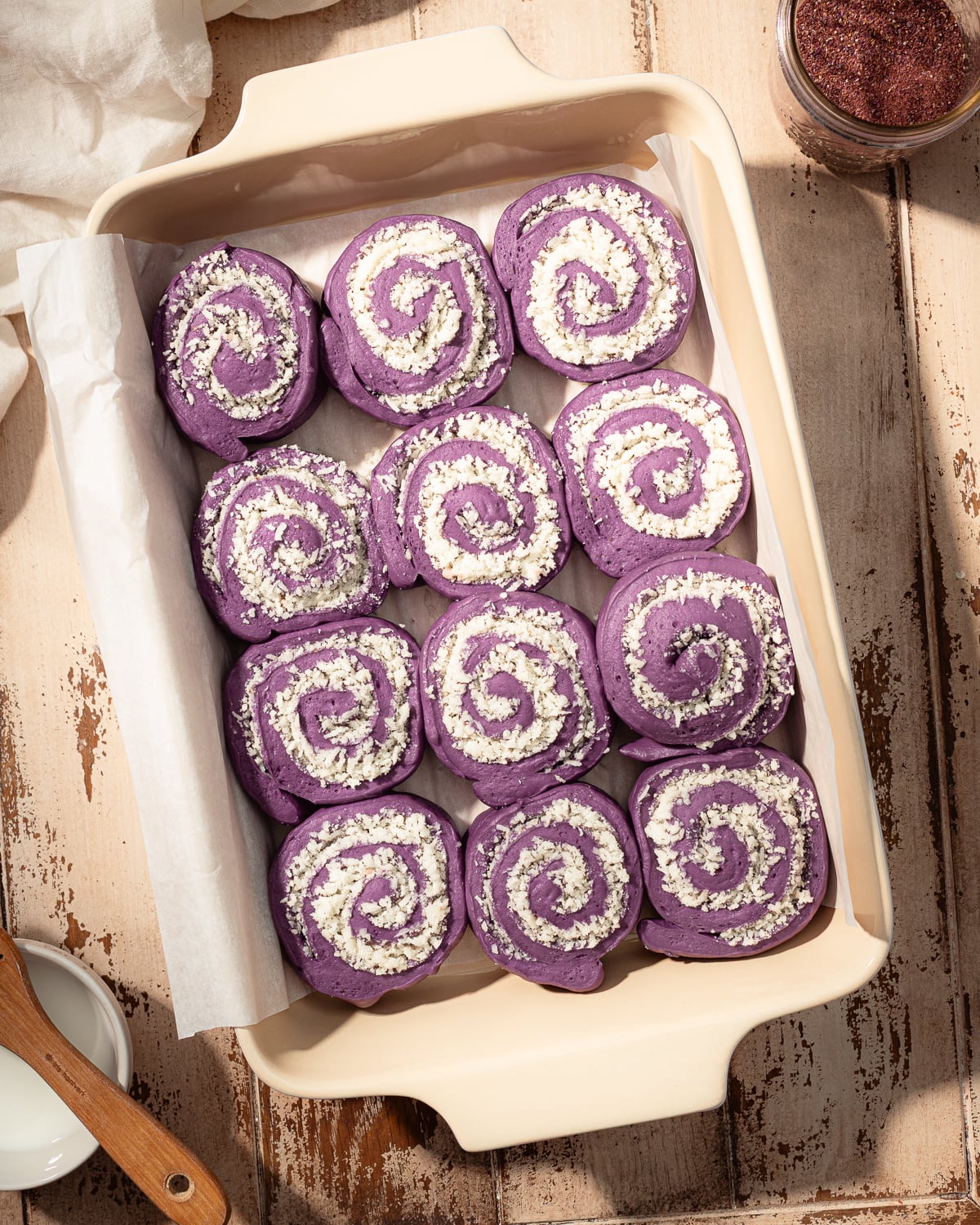
You can bake your rolls in a metal baking pan or a ceramic pan like I did here.
Bake the ube sweet rolls
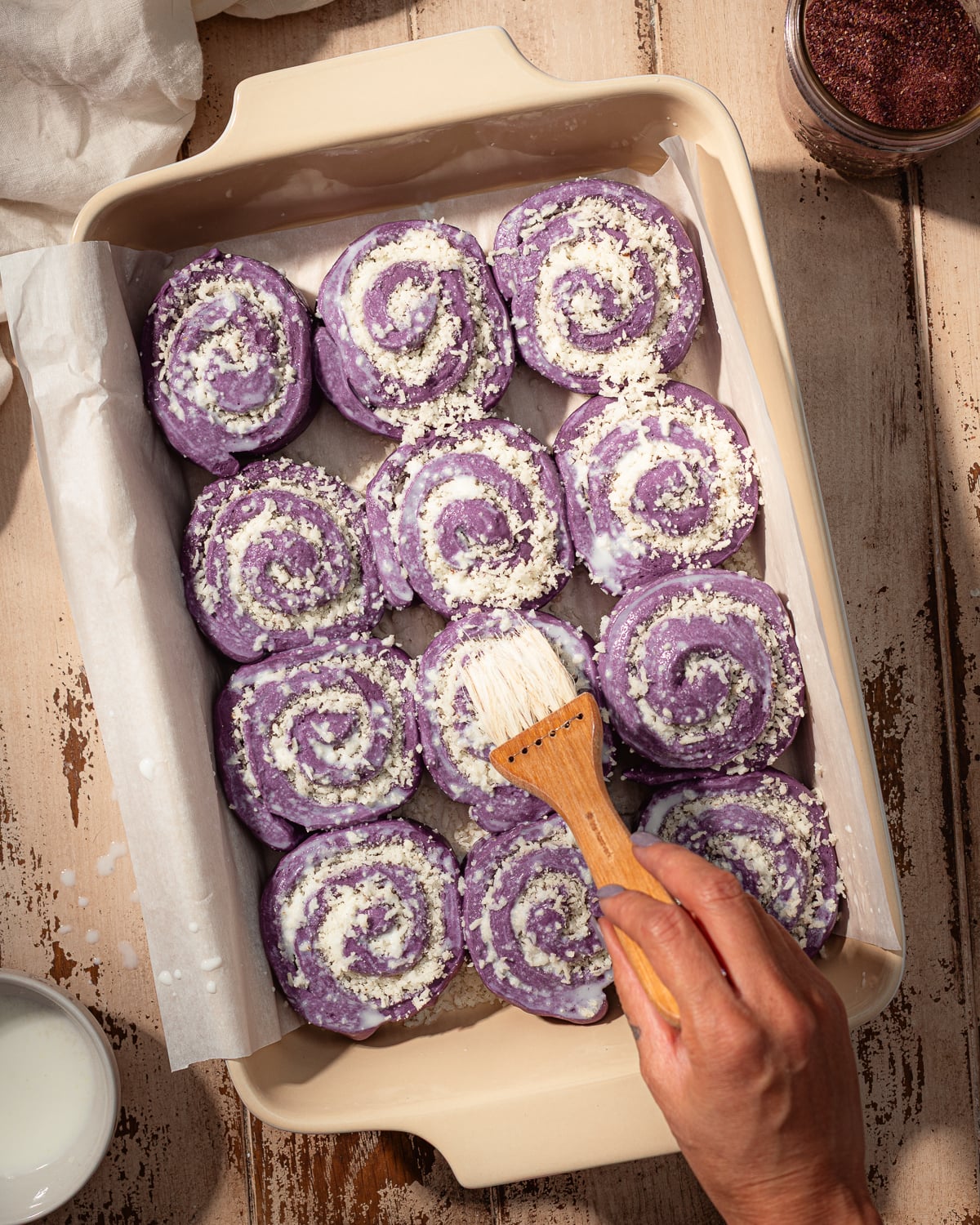
Brush the dough with milk and bake at 350 F for 45 to 50 minutes. Let the rolls cool completely, then top with glaze.
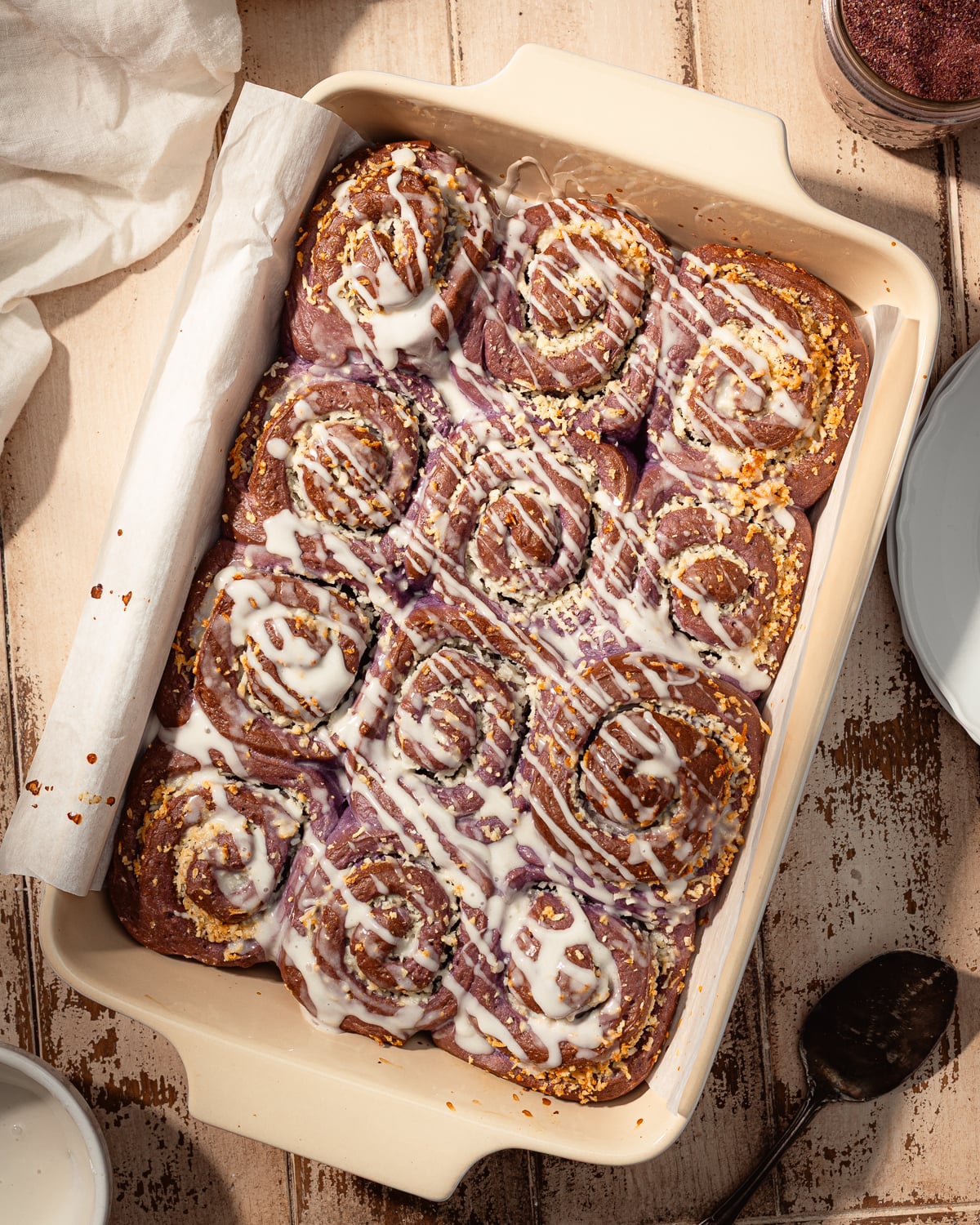
The best way to tell whether your rolls are fully baked is with an instant-read thermometer. The internal temperature should reach at least 190 F when measured in the center of a roll.
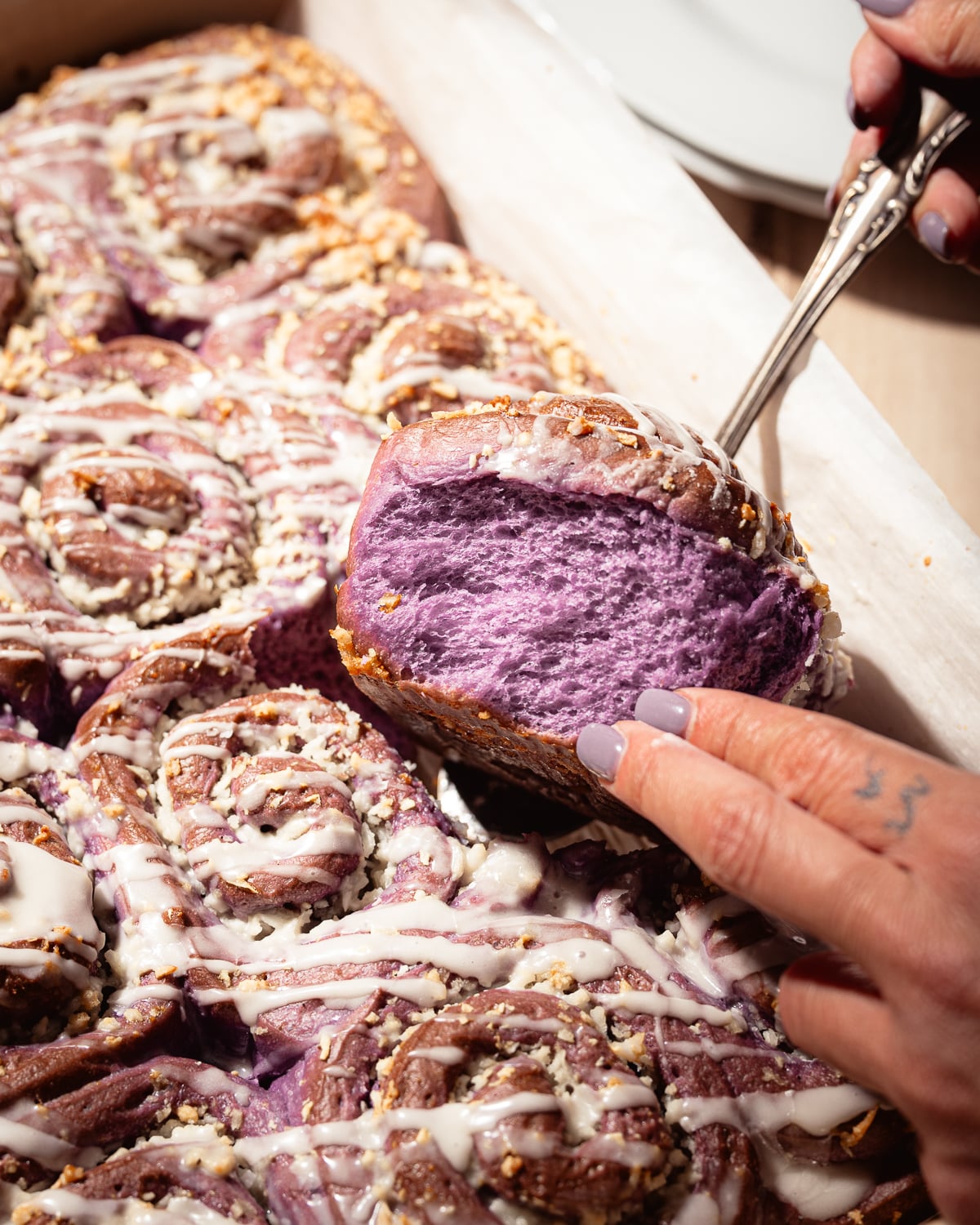
These Rolls Are Freezer-Friendly!
Store the completely cooled rolls in an airtight container and freeze for up to 1 month.
Just microwave the frozen rolls for about 45 seconds or until soft and warmed through.
Did this recipe rise to the occasion?
★★★★★
Leave a star rating and a comment. Your feedback inspires future recipes and helps others feel confident choosing what to bake next. I read and respond to every message.
If you're looking for additional ways to support my work, share this recipe or buy me a Ko-fi. Every little bit helps me keep creating the recipes and guides you enjoy.
Thank you for your support!
Sourdough Discard Coconut Cardamom Ube Sweet Rolls
This section may contain affiliate links
Ingredients
Ube halaya
- 10 g ube powder
- 113 g water
- 50 g granulated sugar
- 56 g whole milk
- 42 g unsalted butter
Ube dough
- 10 g yeast
- 28 g granulated sugar
- 169 g whole milk
- 10 g ube extract
- 113 g sourdough discard
- 480 g all-purpose flour
- 10 g salt
- 1 egg
Coconut filling
- 100 g unsweetened shredded coconut
- 71 g unsalted butter melted
- 30 g milk powder
- 50 g granulated sugar
- 10 g all-purpose flour
- ¼ teaspoon ground cardamom from 5 pods
- ½ teaspoon salt
Topping
- 42 g whole milk
Glaze
- 240 g powdered sugar
- 28 g whole milk
Click US Customary to view volume measurements
Instructions
Make the halaya
- In a small saucepan, soak the ube powder in water for at least 15 minutes.10 g ube powder, 113 g water
- Add the remaining halaya ingredients, except the butter, and stir to combine.50 g granulated sugar, 56 g whole milk
- Bring the mixture to a boil over high heat, then reduce the heat to a simmer. Cook, stirring frequently to prevent scorching, until the mixture resembles the consistency of a thick gravy, about 15 to 20 minutes.
- Transfer to a bowl and stir in the butter.42 g unsalted butter
Make the dough
- While the halaya cools, in the bowl of your stand mixer, whisk together the yeast, milk and sugar. Cover and let the yeast bloom until fragrant and foamy, about 15 minutes.10 g yeast, 28 g granulated sugar, 169 g whole milk
- Add the cooled ube halaya and remaining dough ingredients to the yeast mixture. Using the dough hook attachment, mix until the ingredients come together into a shaggy dough.10 g ube extract, 113 g sourdough discard, 480 g all-purpose flour, 10 g salt, 1 egg
- Cover the bowl and let the dough rest for 15 minutes. This allows the flour to fully hydrate and gives the gluten a head start on developing without excessive mixing.
- Continue mixing until the dough is smooth and pliable, about 10 minutes. The dough should pull away from the sides of the bowl and gather around the dough hook.
Proof the dough
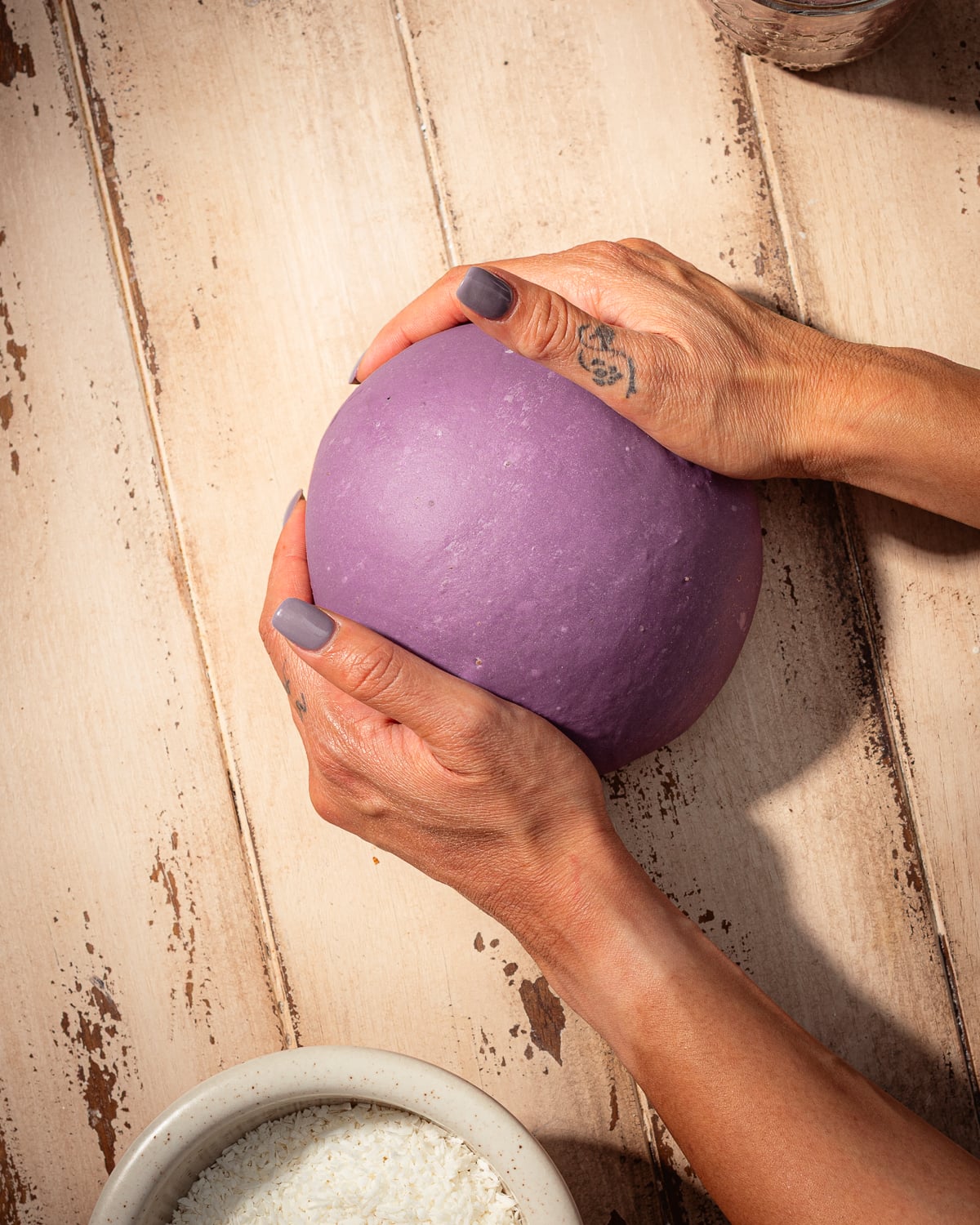
- Turn the dough out on a clean work surface and gather it up into a tight bowl.
- Transfer the dough to a clean lightly-oiled bowl. Cover with plastic wrap and let the dough rise until doubled in volume, about 45 minutes to 2 hours (depending on the temperature of your kitchen).
Make the filling
- While the dough proofs, make the filling. In a small bowl, stir the filling ingredients together. The filling may look dry but this is totally normal.100 g unsweetened shredded coconut, 71 g unsalted butter, 30 g milk powder, 50 g granulated sugar, 10 g all-purpose flour, ½ tsp salt, ¼ tsp ground cardamom
Shape the rolls
- Line a 9-by-13 inch baking dish with parchment paper. Set aside.
- Turn the dough out on a clean, lightly floured surface. Using a rolling pin, flatten the dough into a 10-by-18-inch rectangle.
- Spread the coconut filling evenly over the surface of the dough, leaving a ½-inch border around the edges. Working with the longer side, roll the dough into a tight log. Cut the dough into 12 even segments.
- Working with the long side of the rectangle, roll the dough into a tight log.
- Using a sharp chef's knife, divide the log into 12 segments.
- Arrange the rolls in the prepared baking dish.
Complete the final proof
- Cover the baking dish with plastic wrap and let the dough rise until puffy, the rolls touch and almost fill the pan, about 45 minutes to 1 hour.
Bake the rolls
- When the dough is almost fully proofed, preheat the oven to 350 F.
- Brush the top of the dough with milk.42 g whole milk
- Bake the rolls for 45 to 50 minutes or until the coconut is lightly toasted and the top of the rolls are evenly golden brown. Let the rolls cool for at least 30 minutes.
- While the rolls cool, mix the powdered sugar and whole milk with a flexible spatula. Drizzle the glaze over the cooled rolls and enjoy!240 g powdered sugar, 28 g whole milk
Tips
These recipes were developed and tested using grams for precise measurements. To increase your chances of success, I recommend investing in a kitchen scale. I've included rough volume estimates (in tablespoons and cups), but they might not be totally accurate.
Remember all ovens are unique, these recipes were tested in my oven which runs cooler than others. You might need to lower the temperature if your bake appears to be browning too quickly. Monitor your bake closely and make adjustments if needed.
Notes
Nutrition
I am not a nutritionist or dietitian, any nutrition information provided is an estimate.

Did you make this recipe? Do you have questions? Let me know below!